Ideas & Questions
Before You Decide Someone Is Guilty
Sit with a jury, question courtroom appearances, and then confront the social pressures that shape whose testimony is heard.
This journey is for you if…
For viewers who enjoy dialogue-driven drama and want to examine how certainty is built.
Why this order works
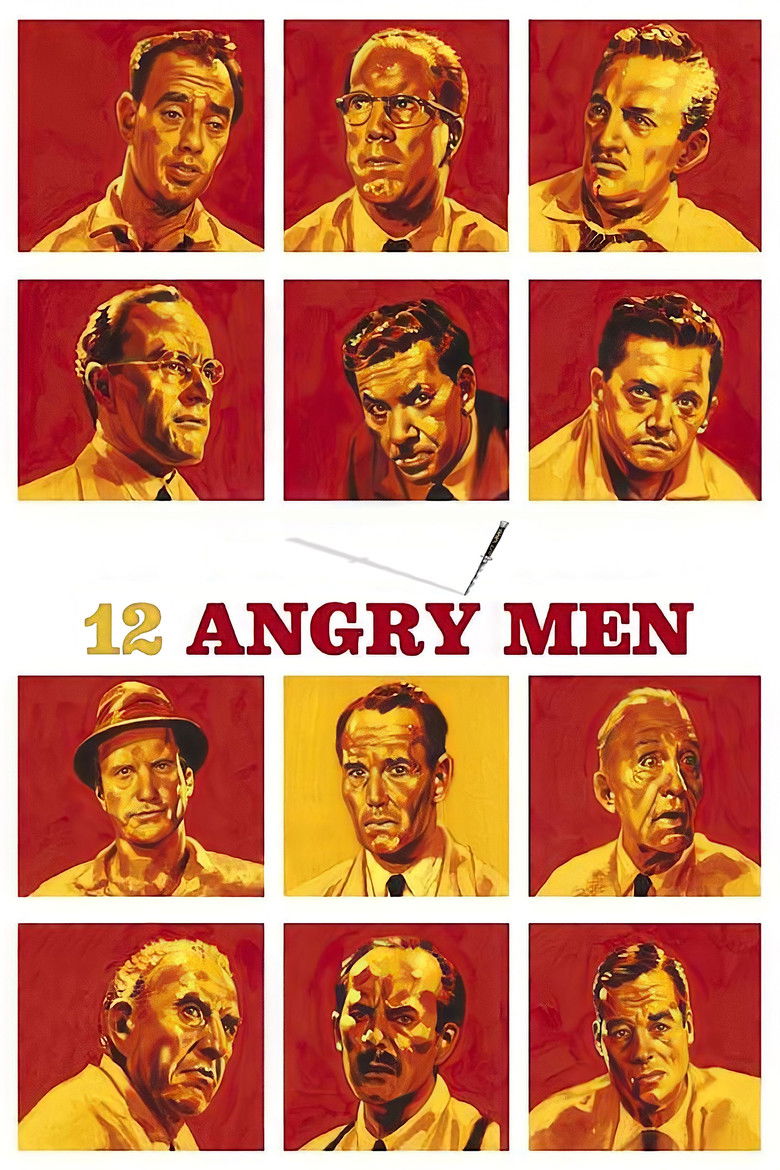
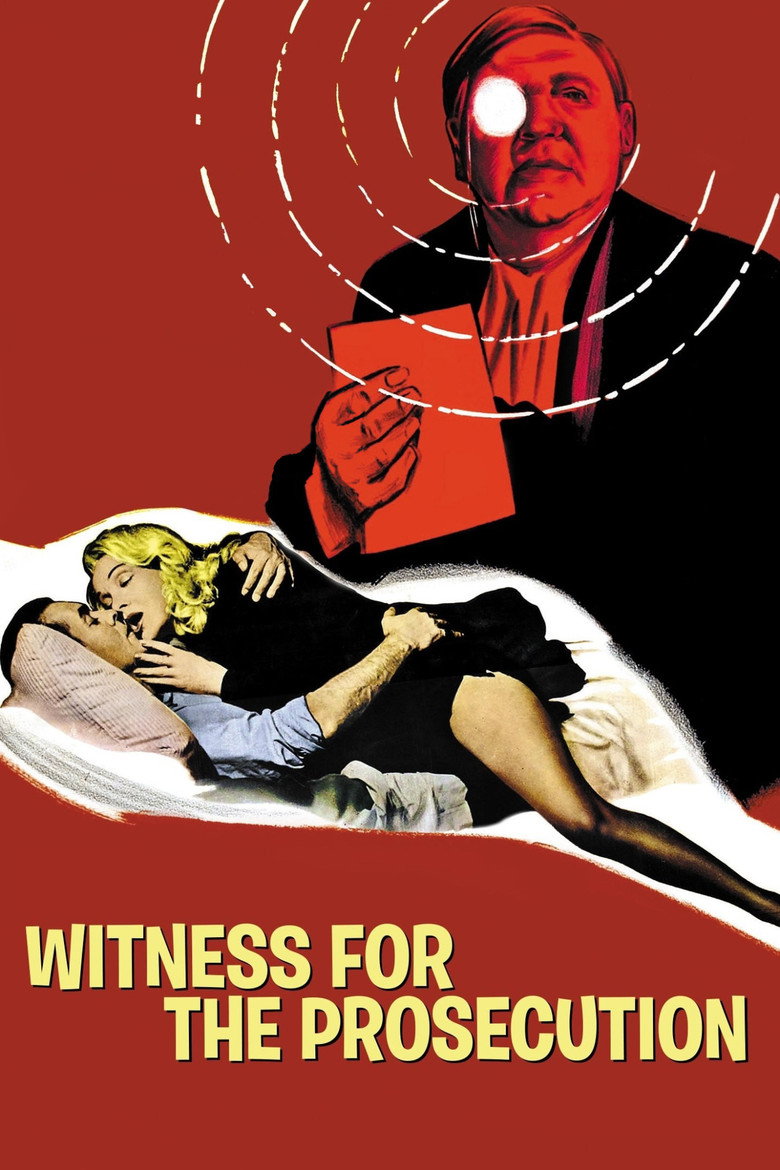
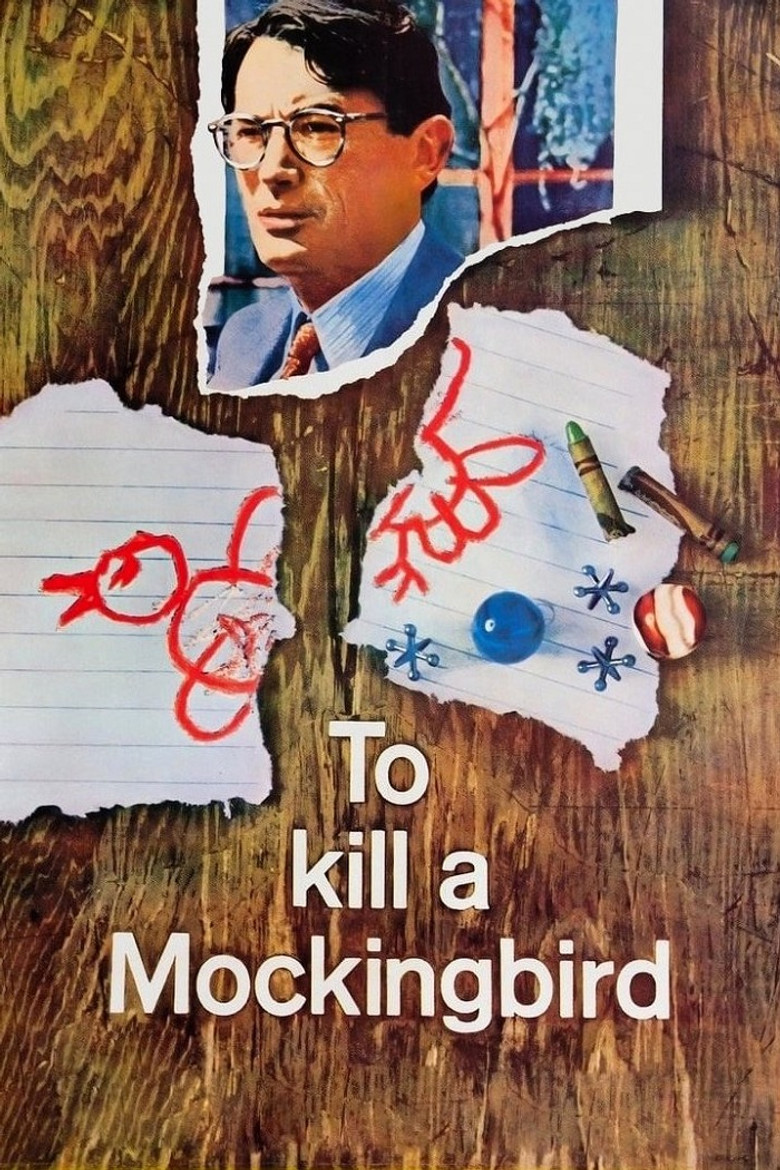
12 Angry Men isolates the act of deliberation. Witness for the Prosecution tests your reading of performance and evidence. To Kill a Mockingbird places judgment inside a wider community.
- 01
Stay in the room
Why here
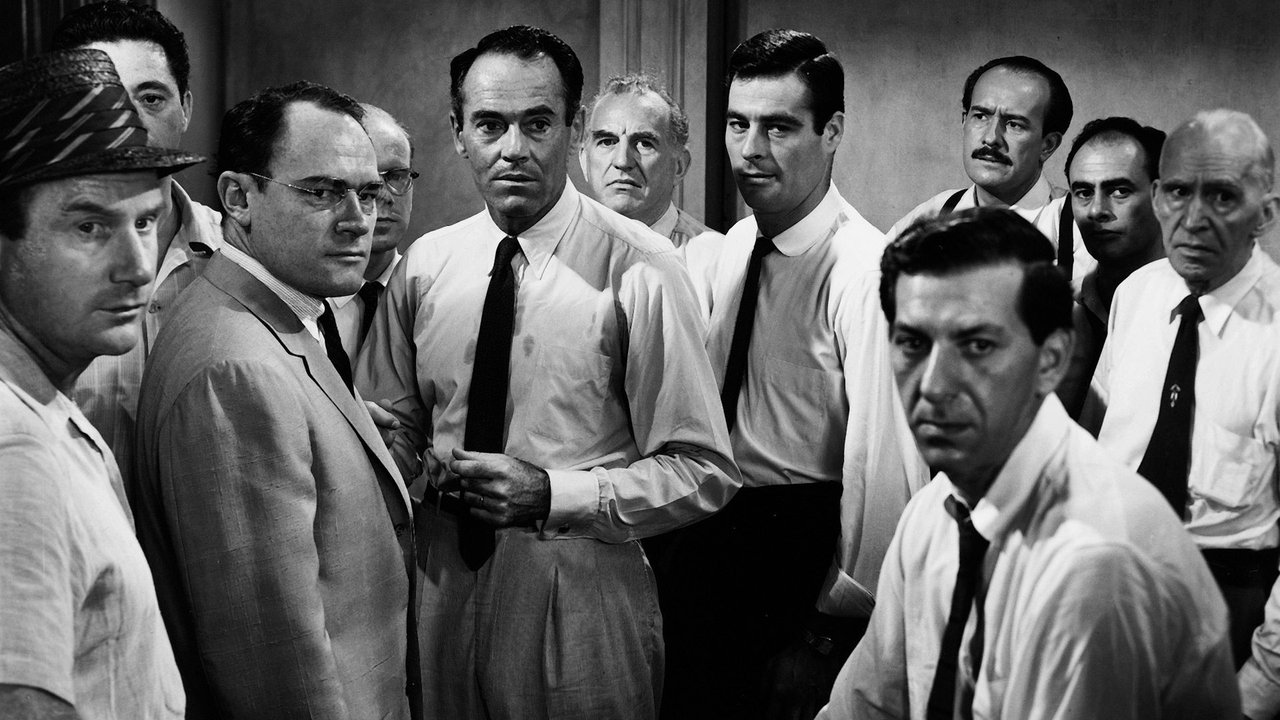
Begin with a confined discussion that makes assumptions visible. The setting gives you time to hear how reasons, impatience and personal experience become entangled.
Notice this
Watch whose confidence changes when a claim is examined rather than merely repeated.
WHY NEXTWitness for the Prosecution moves from jury-room argument to the performances through which a courtroom receives its story.
- 02
Question a convincing performance
Why here
Carry your new suspicion of easy certainty into a legal mystery. Here, the ability to persuade and the ability to establish truth are not necessarily the same skill.
Notice this
Listen for the difference between what a witness says and the impression their delivery creates.
WHY NEXTTo Kill a Mockingbird widens the frame from individual credibility to the prejudices of the surrounding community.
- 03
Look beyond the courtroom
Why here
Finish by considering how a trial sits inside a social world rather than outside it. The child’s perspective also makes the gap between stated ideals and lived behavior difficult to ignore.
Notice this
Notice when children understand adult behavior differently from the adults explaining it.