Genre Gateways
From Mystery to Noir
Three accessible landmarks that reveal noir through character, fatalism, visual atmosphere, and increasingly uncertain moral ground.
This journey is for you if…
For viewers who are curious about film noir but do not want a giant canon list before they understand what makes the genre feel distinctive.
Why this order works
The Maltese Falcon introduces the hard-boiled surface and social codes clearly. Double Indemnity moves the viewer inside noir fatalism by centering complicity. The Third Man comes last because its postwar moral ambiguity and atmosphere make the strongest synthesis once the genre’s basic language is familiar.
- 01
Learn the hard-boiled surface
Why here
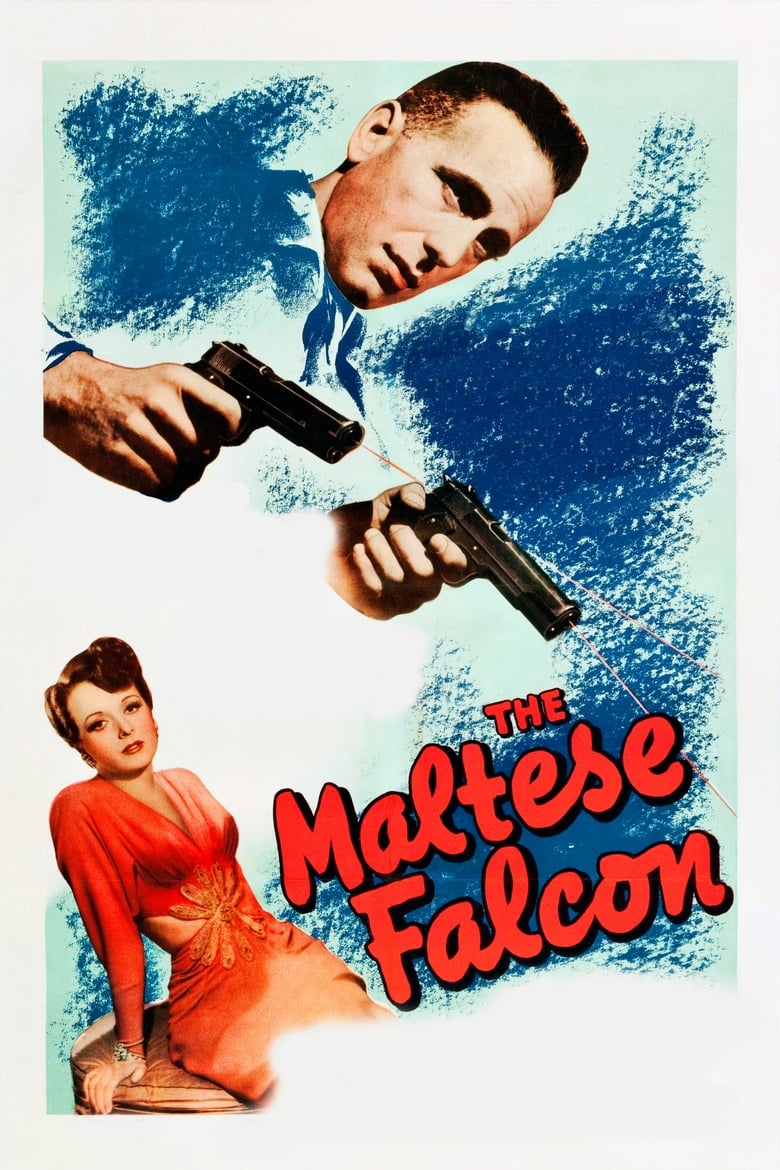
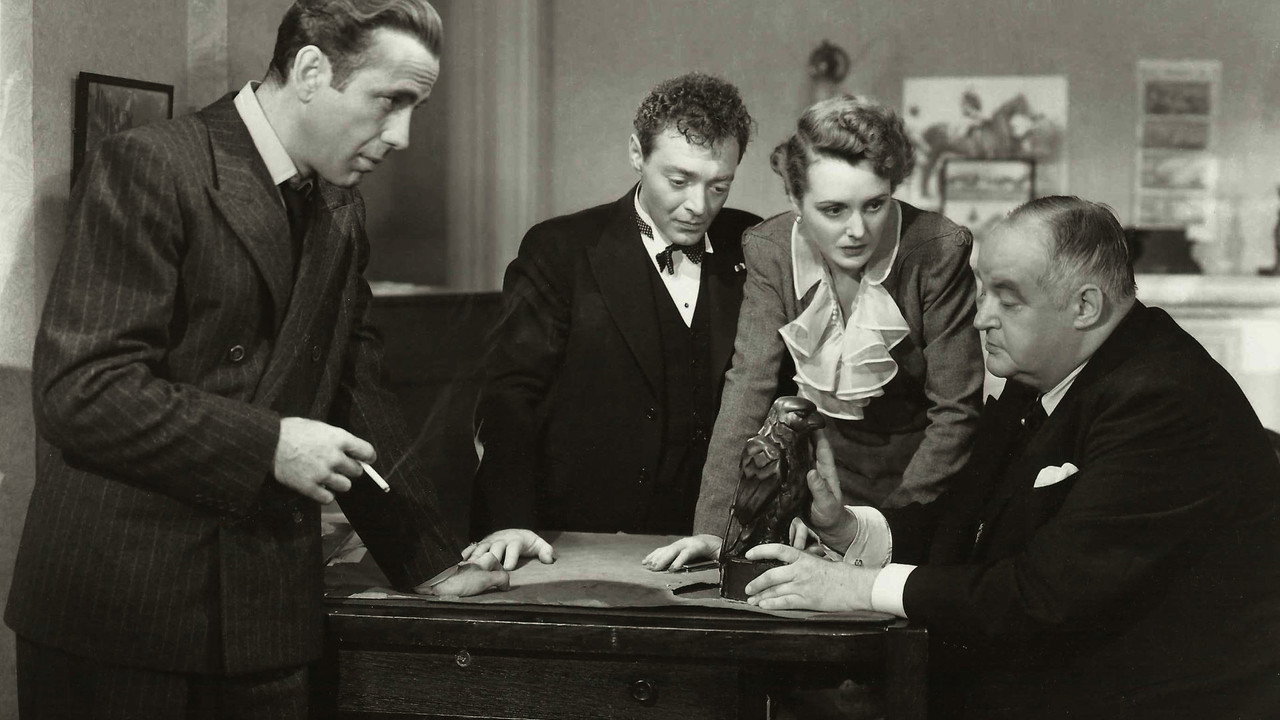
The Maltese Falcon is a clean gateway into noir because the detective, dangerous alliances, sharp dialogue, and unstable motives are immediately legible even if you have never seen the genre before.
Notice this
Notice how information is traded like currency and how almost every relationship carries a second motive.
WHY NEXTOnce you understand noir from the investigator’s side, Double Indemnity moves you inside the fatal choice and makes complicity—not detection—the engine of suspense.
- 02
Step inside fatalism
Why here
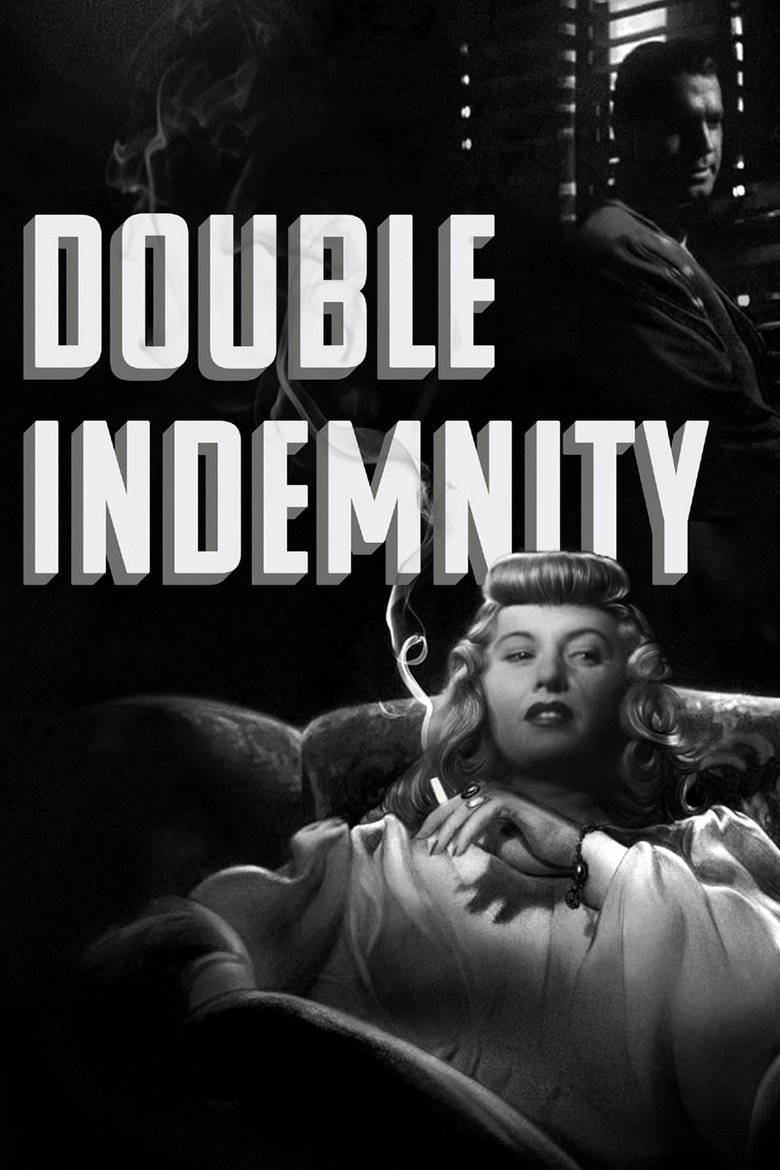
Double Indemnity deepens the route by placing the audience close to a character who helps create the trap. Noir becomes less about solving a corrupt world and more about watching desire and rationalization tighten it.
Notice this
Listen to how confidence and self-justification change as consequences become harder to control.
WHY NEXTThe Third Man keeps the crime and shadow but widens the moral field: after personal corruption, the final step asks what guilt and loyalty look like in a city already damaged by history.
- 03
Walk into moral fog
Why here
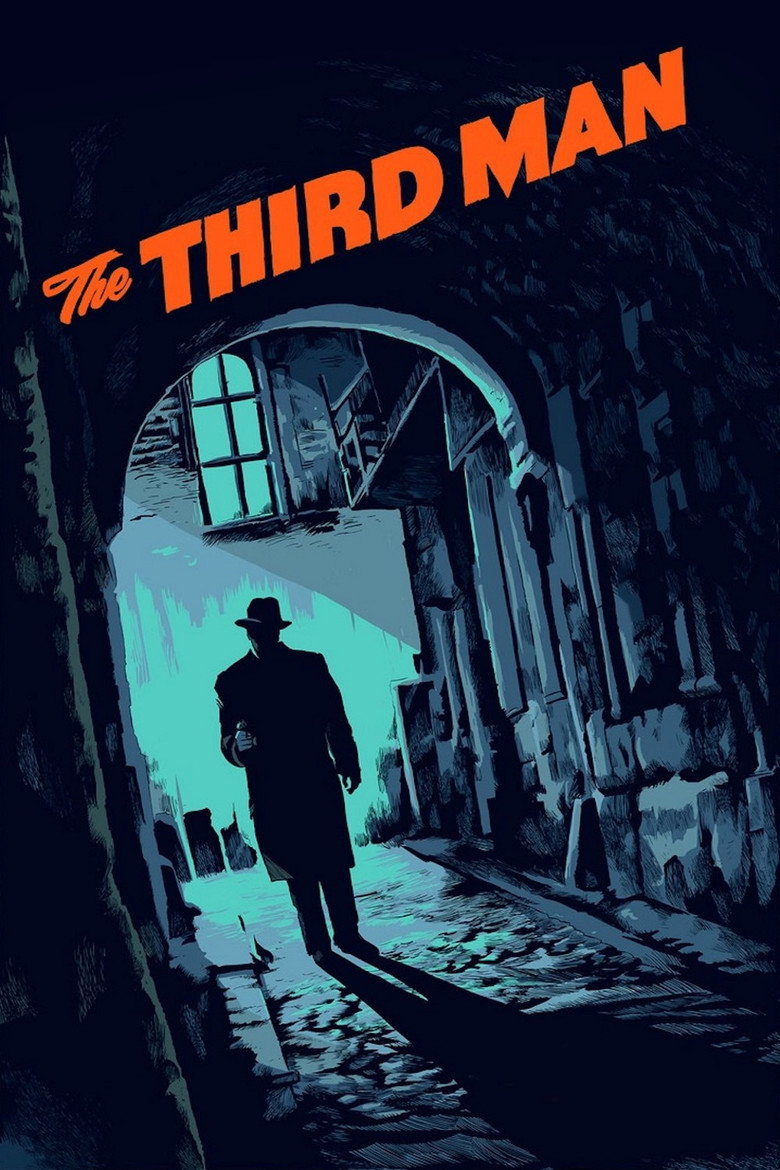
The Third Man is the best ending because its postwar setting turns noir’s suspicion into an atmosphere larger than any single crime. Friendship, profit, loyalty, and responsibility stop fitting into simple categories.
Notice this
Watch how locations, tilted compositions, crowds, and empty spaces make uncertainty feel built into the city itself.