History & Real Events
The First World War: Life at the Front
A three-film route that separates personal experience, institutional power, and immersive remembrance while keeping the historical framing clear.
This journey is for you if…
For viewers who want a meaningful entry into World War I cinema without treating any single film as a complete history lesson.
Why this order works
The order begins with the frontline soldier’s disillusionment, then shifts upward to command and military justice, and ends with a contemporary immersive perspective. The route is organized by historical lens, not by the films’ release dates.
- 01
Begin with the soldier
Historical context
Depicted period: Western Front during World War I
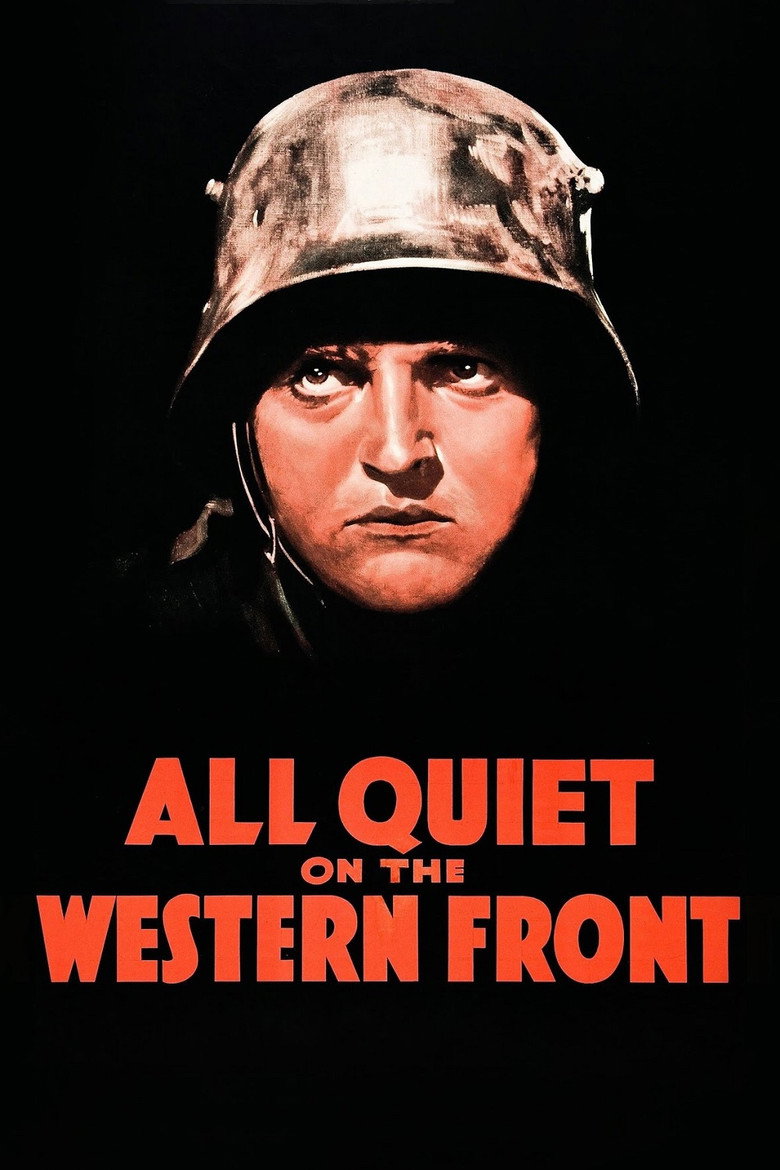
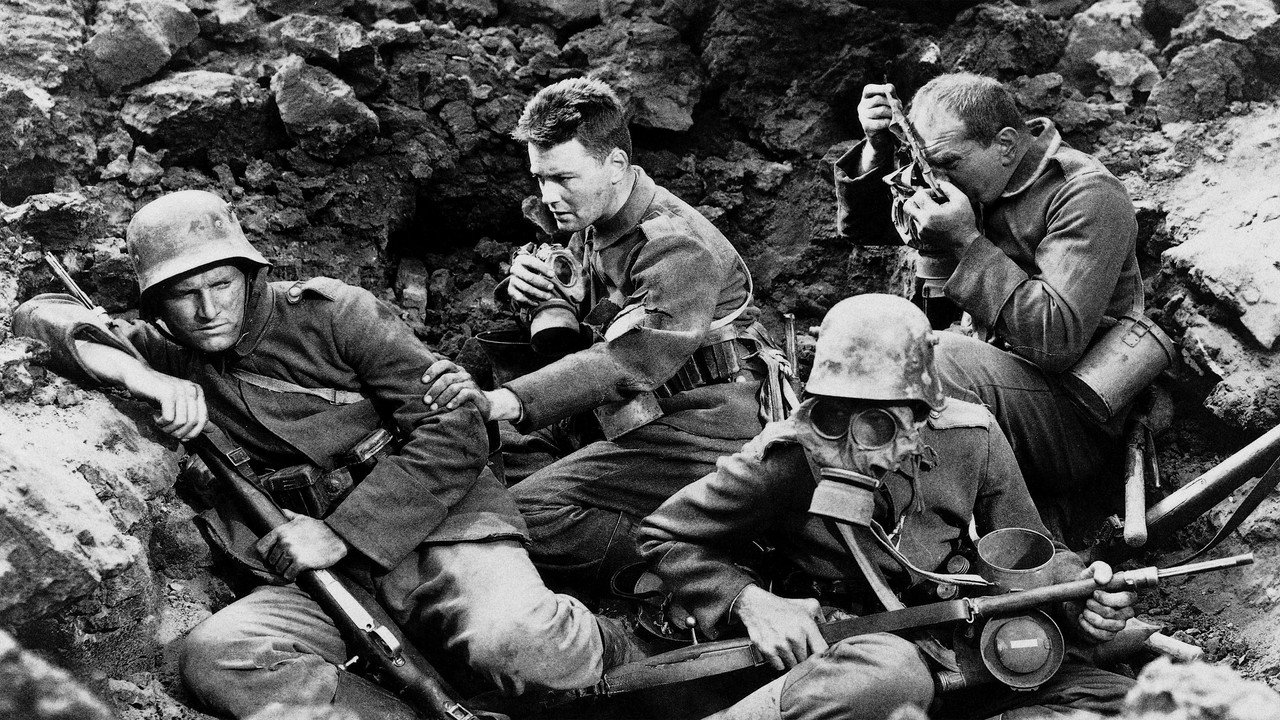
Adapted from Erich Maria Remarque’s anti-war novel and centered on German soldiers, the film is best used here as a perspective on disillusionment and trench warfare rather than as a complete account of the conflict.
Why here
All Quiet on the Western Front belongs first because it gives the route its ground-level emotional vocabulary: idealism colliding with trench warfare, exhaustion, loss, and the distance between patriotic language and lived experience.
Notice this
Notice how the film contrasts the language used to send young men to war with the physical routines and emotional costs they actually encounter.
WHY NEXTPaths of Glory keeps the Western Front but shifts attention upward, from what soldiers endure to how command, prestige, and military justice can shape their fate.
- 02
Look up the chain of command
Historical context
Depicted period: French sector of the Western Front during World War I
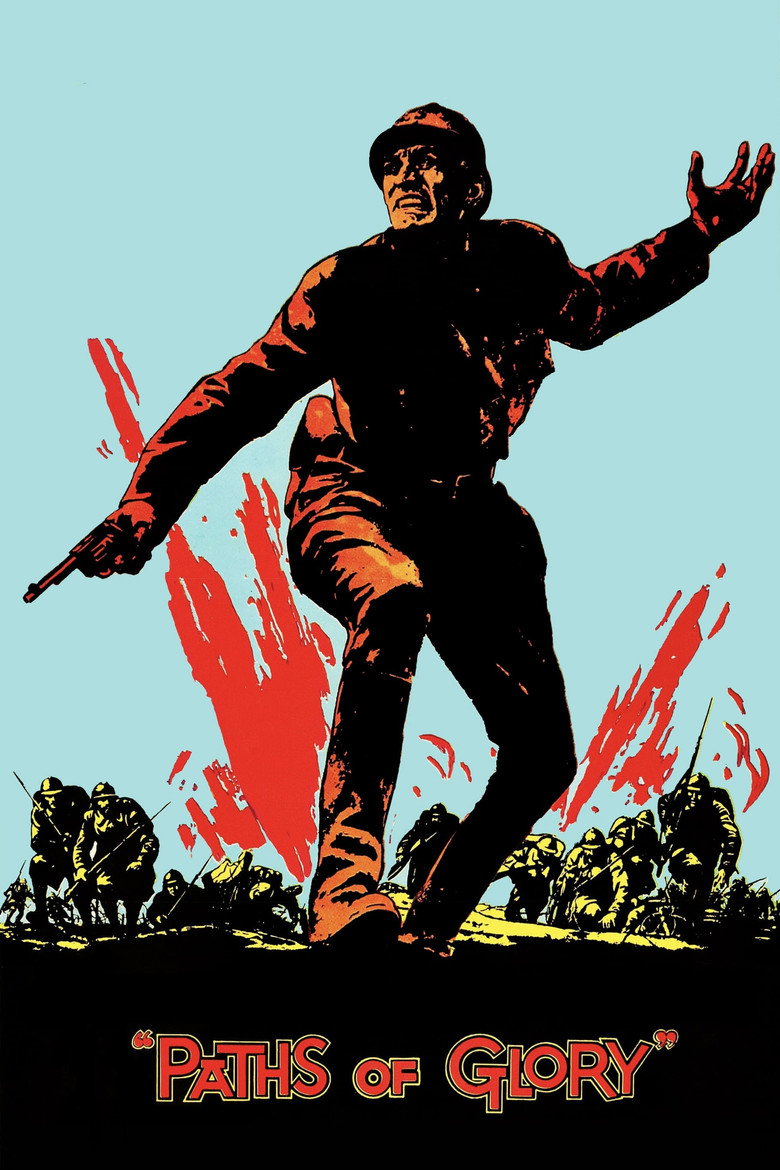
The story is fictional and should not be treated as a documentary reconstruction. Its value in this route is the way it dramatizes hierarchy, command pressure, and military justice within a First World War setting.
Why here
Paths of Glory changes the lens from endurance to institution. Its fictional military crisis makes hierarchy, ambition, responsibility, and justice the central questions instead of battlefield tactics alone.
Notice this
Watch the contrast between the spaces occupied by officers and soldiers, and how decisions made far from the front acquire consequences at ground level.
WHY NEXTAfter viewing war through both the soldier and the institution, 1917 returns to the ground but uses modern filmmaking to make time, distance, and movement feel immediate.
- 03
Enter the clock
Historical context
Depicted period: Western Front, 1917
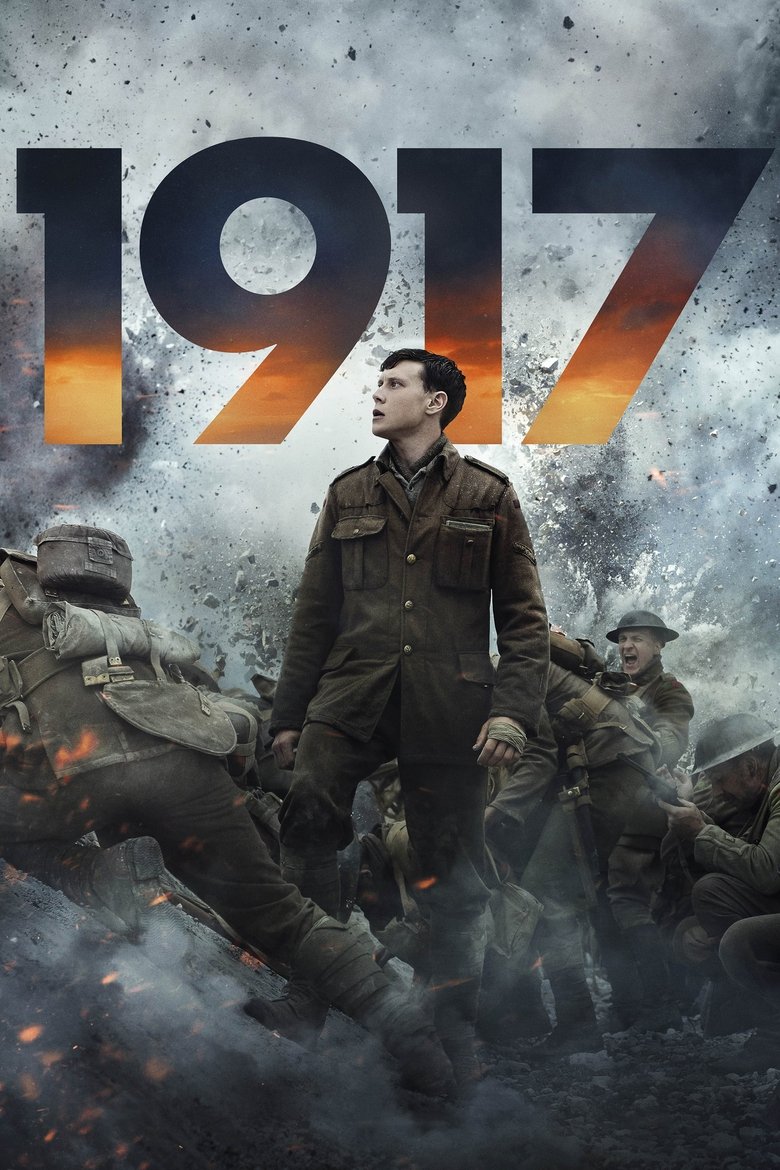
The mission and central characters are fictional. The film uses a First World War setting and continuous-motion style to create immediacy, not to provide a comprehensive history of 1917.
Why here
1917 belongs last because its contemporary immersive style makes the viewer feel time and terrain differently after the earlier films have established the human and institutional context of the war.
Notice this
Notice how movement through trenches, open ground, ruins, and crowds turns geography and time into sources of tension.