Ideas & Questions
What Does Greatness Cost?
Move from a rehearsal room to a stage to a rivalry, asking when artistic ambition becomes a way of measuring a person’s entire worth.
This journey is for you if…
For viewers interested in performance, obsession and the uneasy relationship between admiration and cruelty.
Why this order works
Whiplash begins with pressure between teacher and student; Black Swan internalizes the demand for perfection; Amadeus turns toward the person watching someone else possess the gift he wants.
- 01
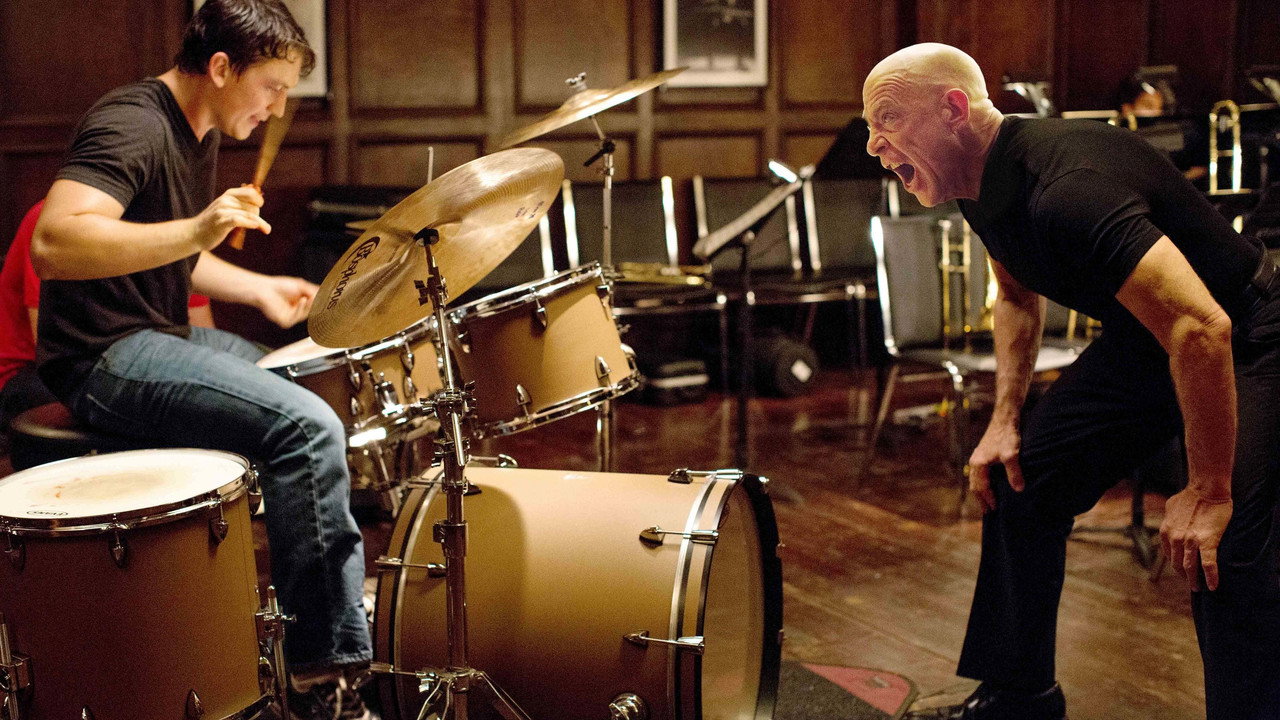
Who sets the standard?
Why here
Begin with a relationship that makes achievement and approval difficult to separate. The intensity of the rehearsal room gives the route a concrete pressure point.
Notice this
Watch how praise and humiliation change Andrew’s choices, and how editing makes practice feel like confrontation.
WHY NEXTBlack Swan moves the demand for perfection inward, where a performer’s own experience becomes unstable.
- 02
Perfection moves inside
Why here
Now the struggle is not contained by a rehearsal-room door. The film makes bodily discipline and a divided sense of self part of the experience of pursuing a role.
Notice this
Notice mirrors, physical textures and the shifting distance between the camera and Nina.
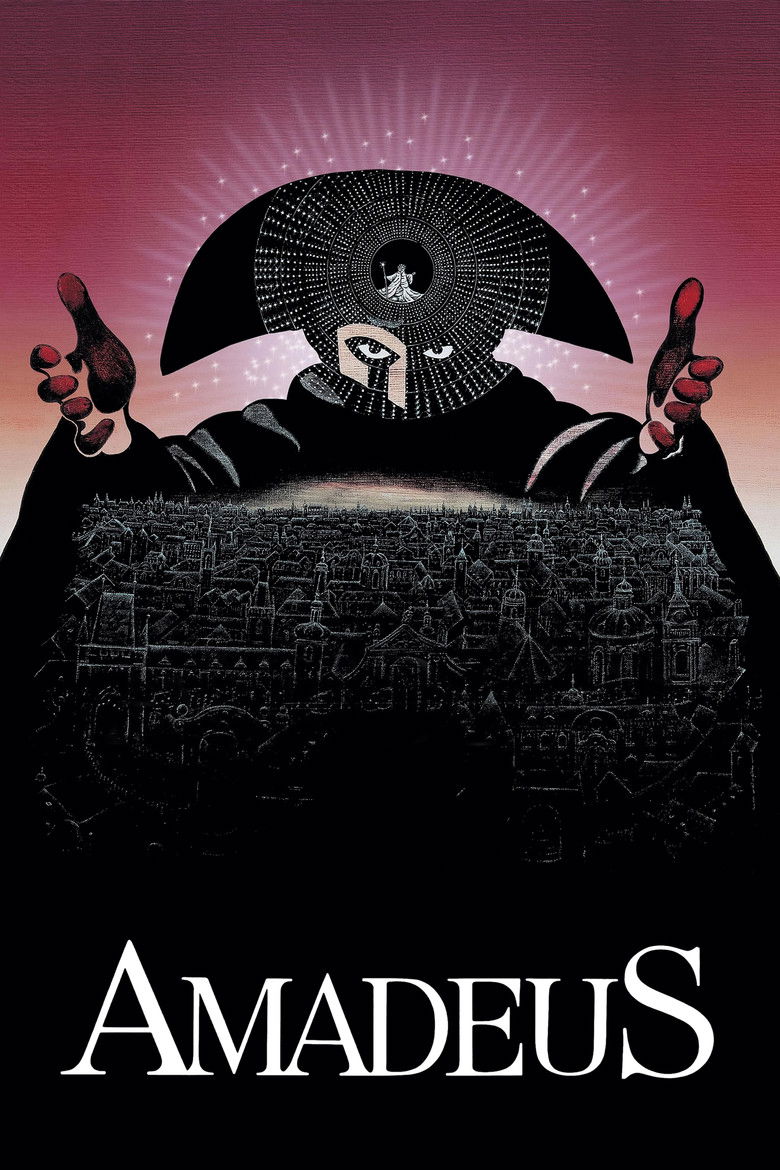
WHY NEXTAmadeus turns the gaze outward again: what happens when someone else seems to embody the greatness you have pursued?
- 03
Hear talent through envy
Why here
Finish by questioning the voice telling you what genius means. This dramatized account makes admiration and resentment difficult companions rather than offering a straightforward music-history lesson.
Notice this
Attend to how the narration describes music compared with how it describes the person making it.