Ideas & Questions
Who Gets to Write Your Life?
Begin in a world arranged for one man, meet a man who can hear his own narrator, then enter a love story where memory itself can be rewritten.
This journey is for you if…
For viewers who like big questions wrapped in funny, unsettling, emotionally accessible stories.
Why this order works
The control moves closer to home: first the world around a person, then the narration of a life, then the memories that make a relationship feel like yours.

- 01
A life with invisible walls
Why here
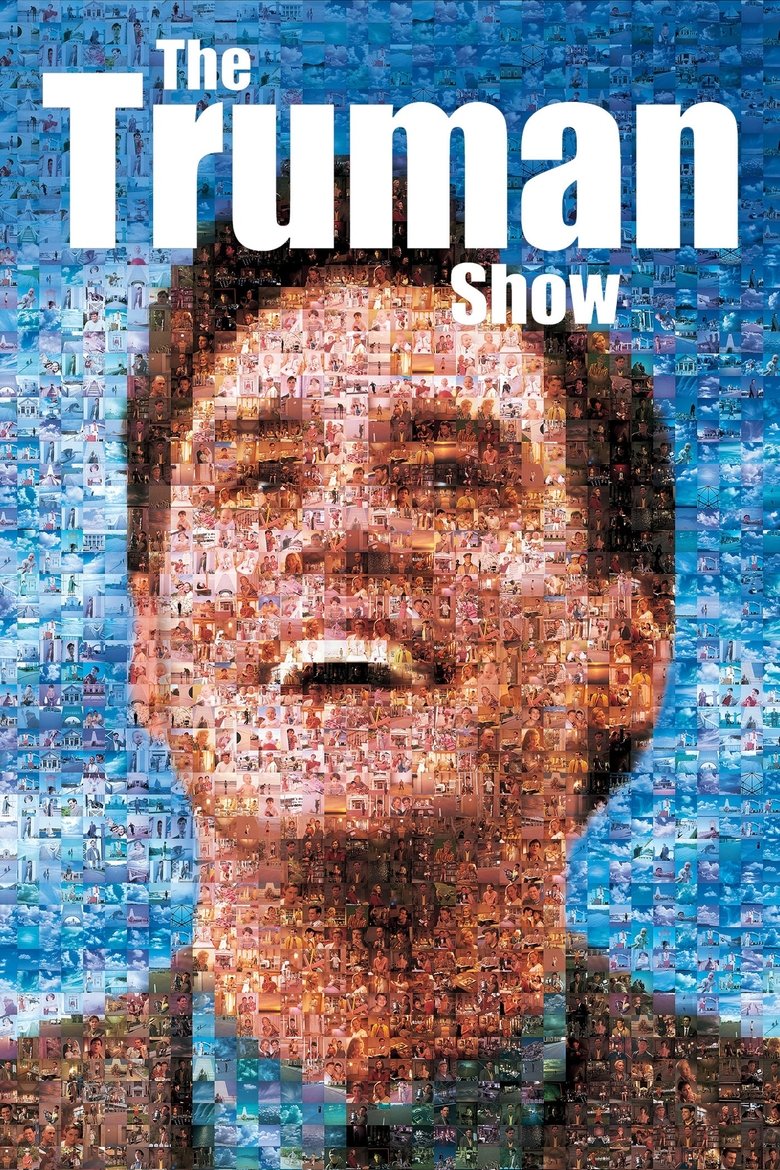
Truman makes an approachable starting point because his familiar routines become the very thing we learn to question. Begin with the boundary between a comfortable life and a chosen one.
Notice this
Watch how cheerful greetings, product placement and immaculate spaces can feel welcoming and constricting at the same time.
WHY NEXTStranger Than Fiction moves the author from outside the frame into a voice its protagonist can actually hear.
- 02
Answering the narrator
Why here
After Truman, Harold gives the problem a different shape: what happens when a person learns that somebody else is describing his life? The question becomes how to respond, not simply where to escape.
Notice this
Notice how Harold’s routines are measured and categorized, and how small pleasures begin to resist that accounting.
WHY NEXTEternal Sunshine brings authorship inside a relationship: instead of changing the narrator, could you change what you remember?
- 03
Who owns a memory?
Why here
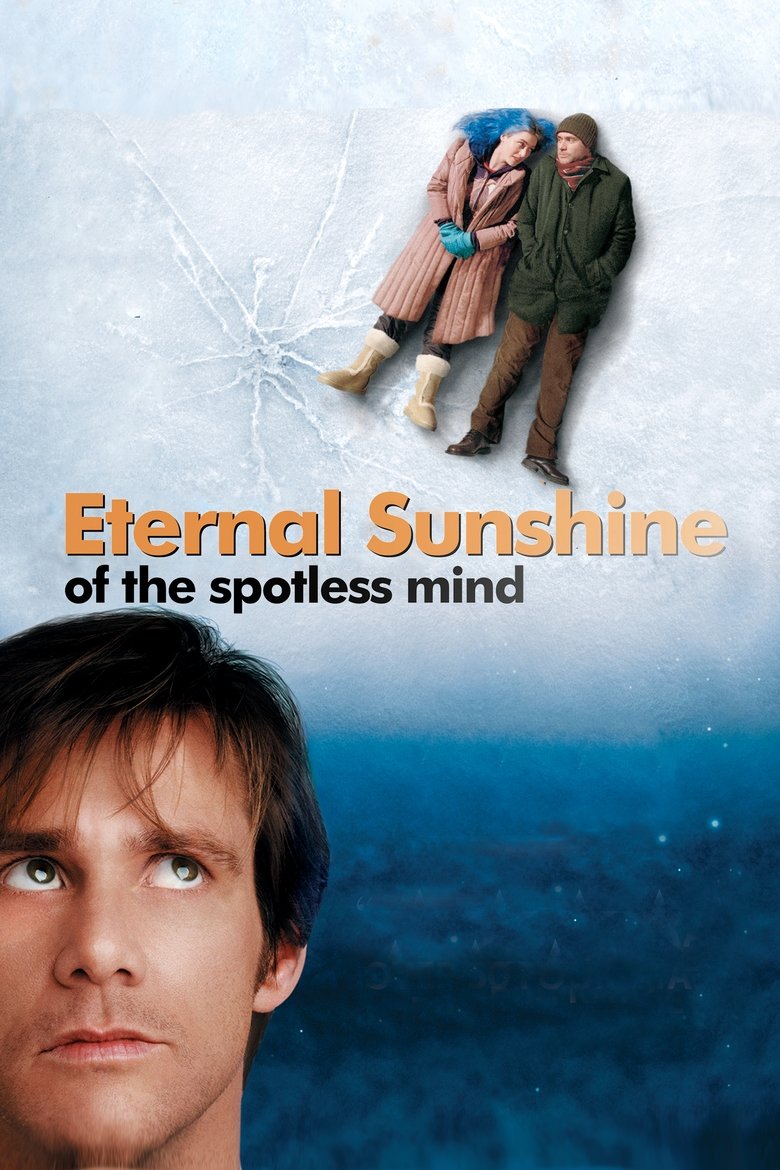
Finish where the boundary between freedom and self-erasure becomes intimate. The fractured form asks you to feel the value of memories before neatly arranging them.
Notice this
Track locations, objects and shifts in emotional warmth rather than trying to solve every temporal change immediately.