Directors & Movements
Your First Steps Into Hitchcock
A clear starting point, a more kinetic second step, and a darker final film that shows how far Hitchcock could push subjectivity and obsession.
This journey is for you if…
For viewers who know Hitchcock by reputation but want a welcoming three-film route that reveals how his suspense, point of view, and psychological unease work.
Why this order works
Rear Window teaches the mechanics of looking and limited information in an immediately readable setup. North by Northwest opens the world and increases momentum. Vertigo comes last because its darker subjectivity and obsessive structure land better after Hitchcock has earned the viewer’s trust.
- 01
Learn the pleasure of looking
Why here
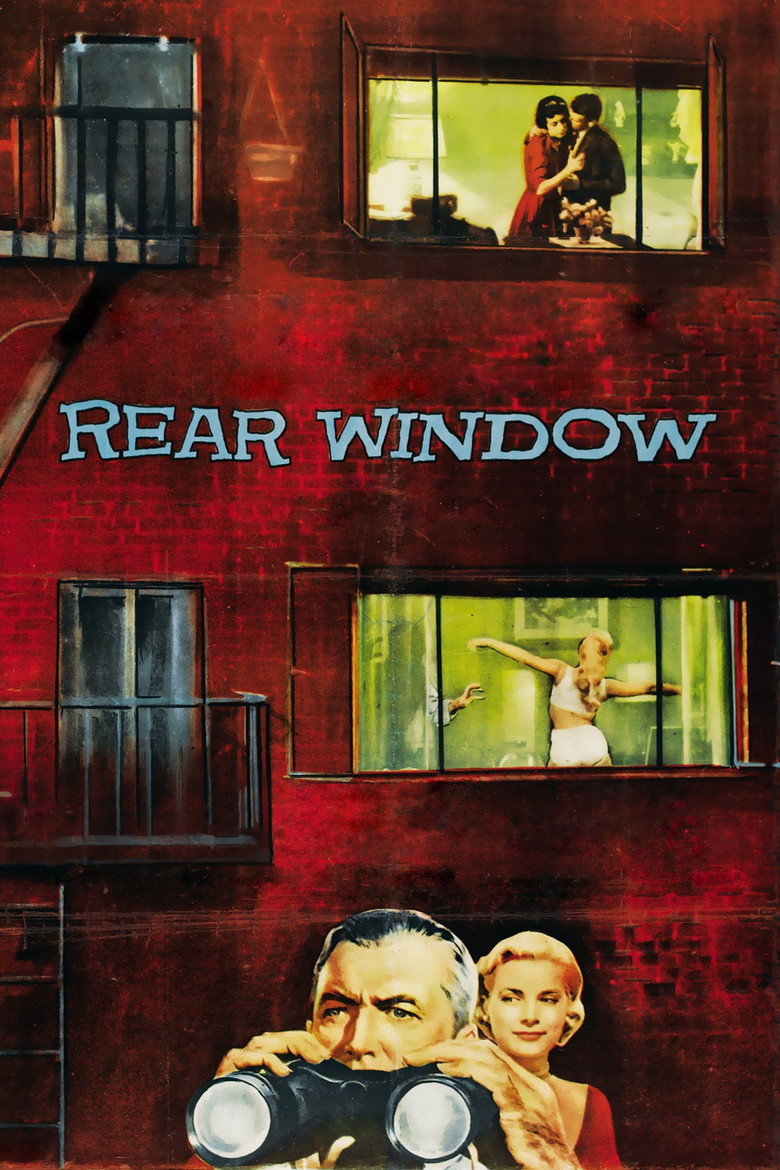
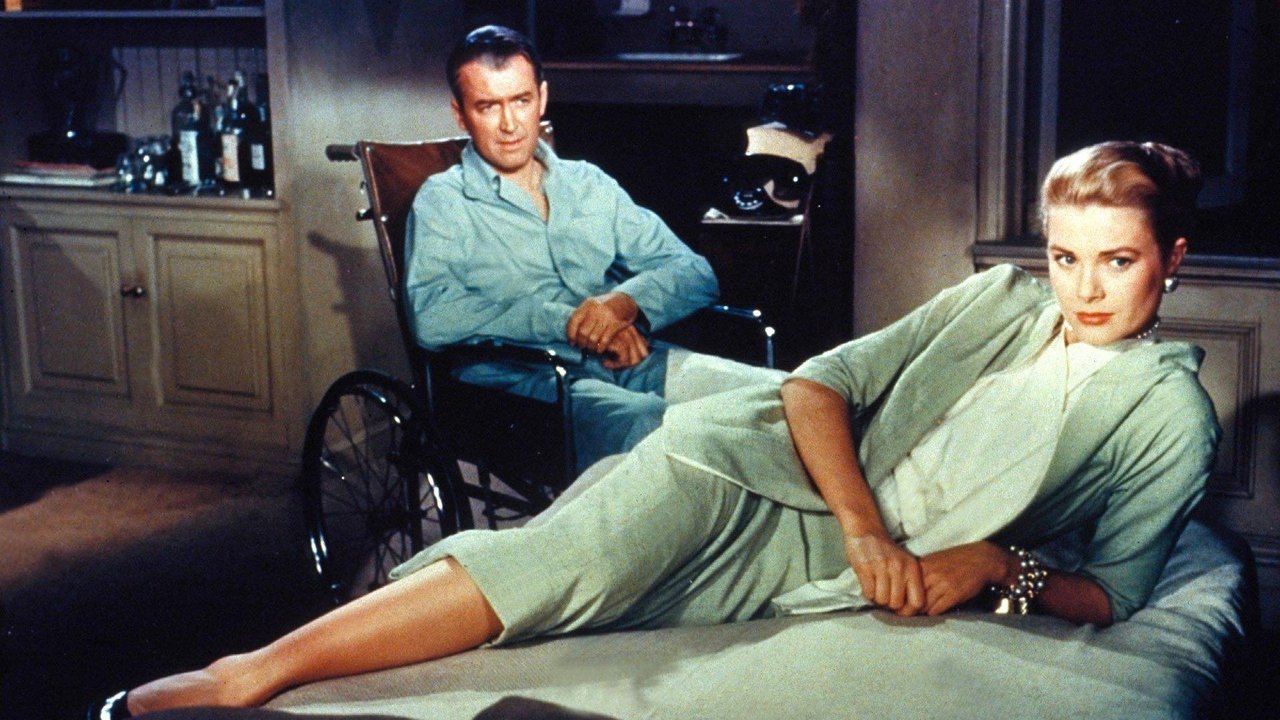
Rear Window is an ideal first Hitchcock because its physical limits make the director’s method easy to feel. You know only what the protagonist can see, so curiosity and suspense become the same experience.
Notice this
Notice how information is framed, withheld, repeated, and discovered through looking rather than explanation.
WHY NEXTAfter suspense built from staying in one place, North by Northwest flips the experience into constant motion while keeping the same uncertainty about what can be trusted.
- 02
Let suspense move
Why here
North by Northwest keeps Hitchcock playful and accessible while adding mistaken identity, pursuit, spectacle, and shifting information. It shows how suspense can remain precise even when the movie becomes much larger.
Notice this
Watch how ordinary public spaces become threatening once the hero does not understand the rules of the situation.
WHY NEXTWith Hitchcock’s suspense grammar now familiar, Vertigo slows the chase down and turns the danger inward, making perception and desire themselves unreliable.
- 03
Enter the obsession
Why here
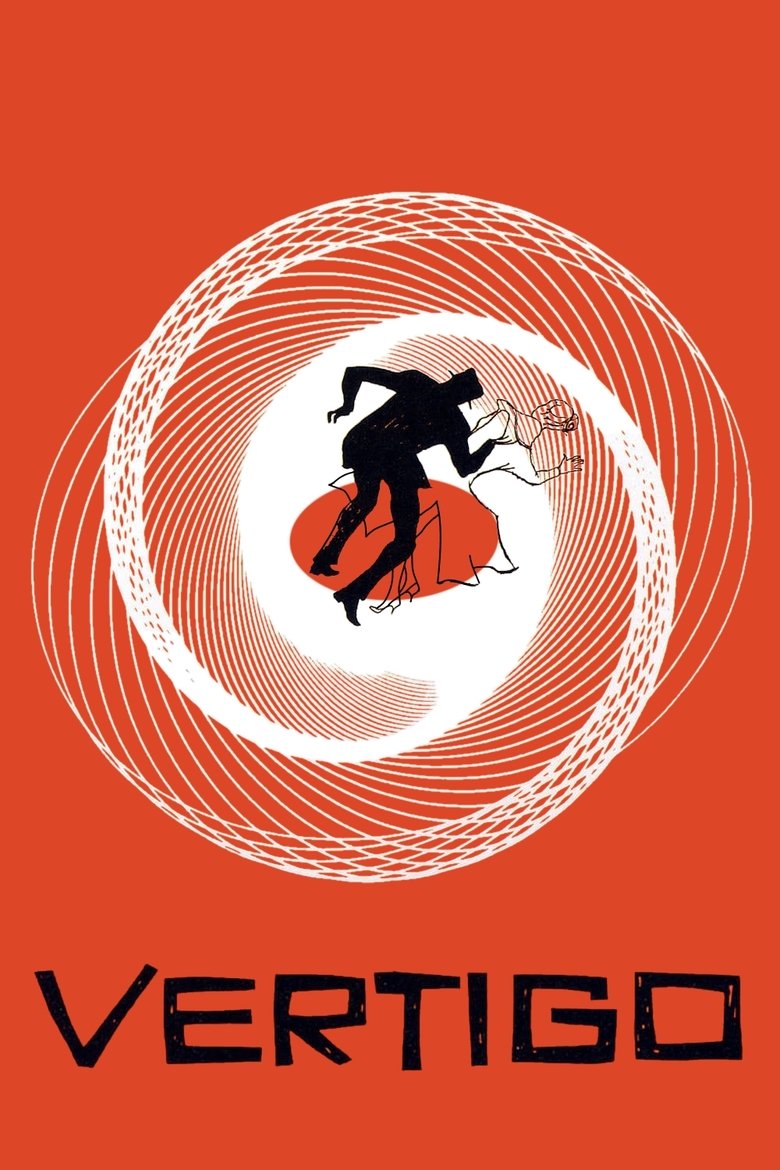
Vertigo belongs last because it is less interested in a clean suspense machine than in the unsettling psychology beneath Hitchcock’s recurring ideas about looking, identity, control, and desire.
Notice this
Pay attention to repeated images, color, point of view, and the difference between seeing a person and constructing an idea of them.