History & Real Events
War & Political Conflict Movies in Chronological Order
Start in Sarajevo in 1914. Follow two world wars, the Cold War, and later conflicts through films about the people making decisions and the people living with them.
This journey is for you if…
You want to follow wars and political struggles across time, with room for the people who lived through them as well as the decisions made above them.
Why this order works
The dates below describe when the stories take place, not when the films were released. Long-span stories and flashbacks overlap other stops. Chapters keep those overlaps clear and explain the shifts between conflicts.
- 01
CHAPTER 1
1914–1918: The First World War
Begin with the assassination in Sarajevo, then follow the war through trenches, hospitals, homes, and the search for people who never returned.
The assassination
Historical context
Depicted period: June 1914
Why here
Start before the armies move. The plot against Franz Ferdinand brings the journey down to a handful of people and a decision with consequences far beyond Sarajevo.
Notice this
Watch the distance between what the conspirators intend and what they can control.
WHY NEXTSarajevo returns to the same event from the investigation rather than the plot.
- 02
The investigation
Historical context
Depicted period: June–July 1914
Why here
Stay in Sarajevo to see the assassination become a political crisis. The inquiry offers another angle on the event you have just watched.
Notice this
Notice who is allowed to ask questions, and whose explanation carries weight.
WHY NEXTJoyeux Noël moves from the decisions behind the war to the men facing one another across a trench.
- 03
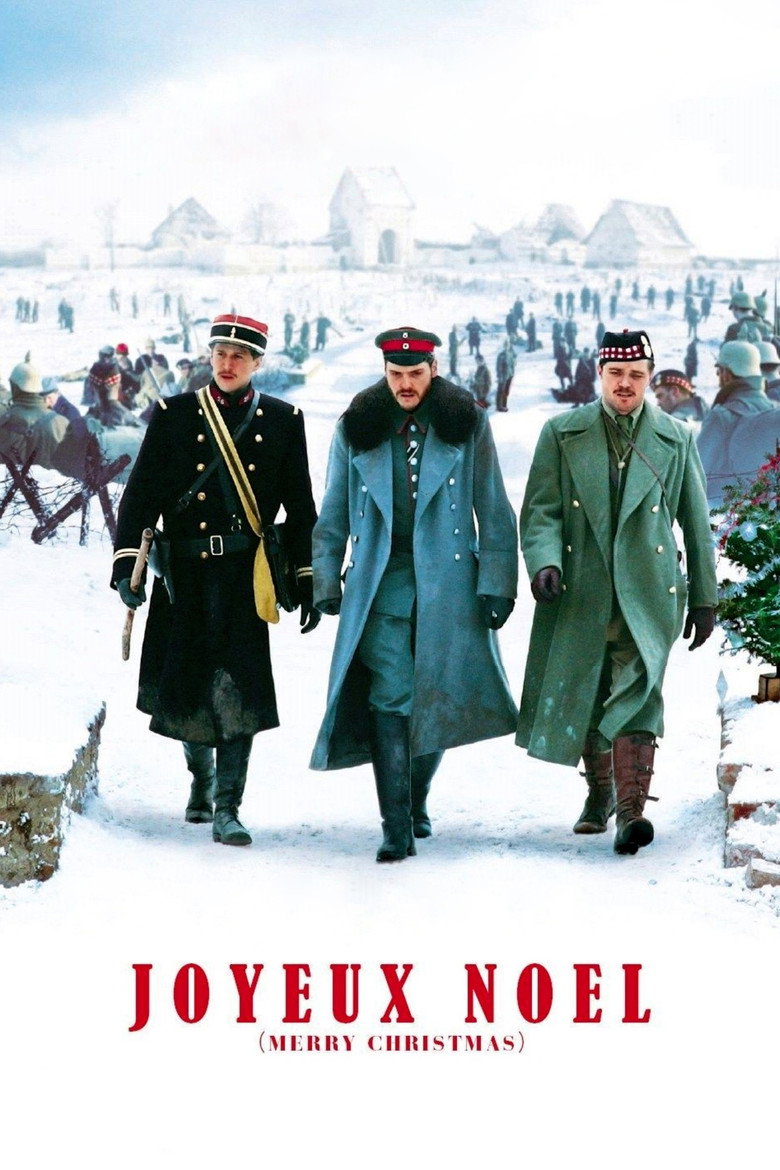
A pause in the fighting
Historical context
Depicted period: Christmas 1914
Why here
The Christmas Truce belongs near the beginning, before years of losses harden the front. It makes the soldiers on each side recognisable as people.
Notice this
Look at what changes when enemies can hear one another speaking and singing.
WHY NEXTTestament of Youth follows the war away from the trench and into hospitals and homes.
- 04
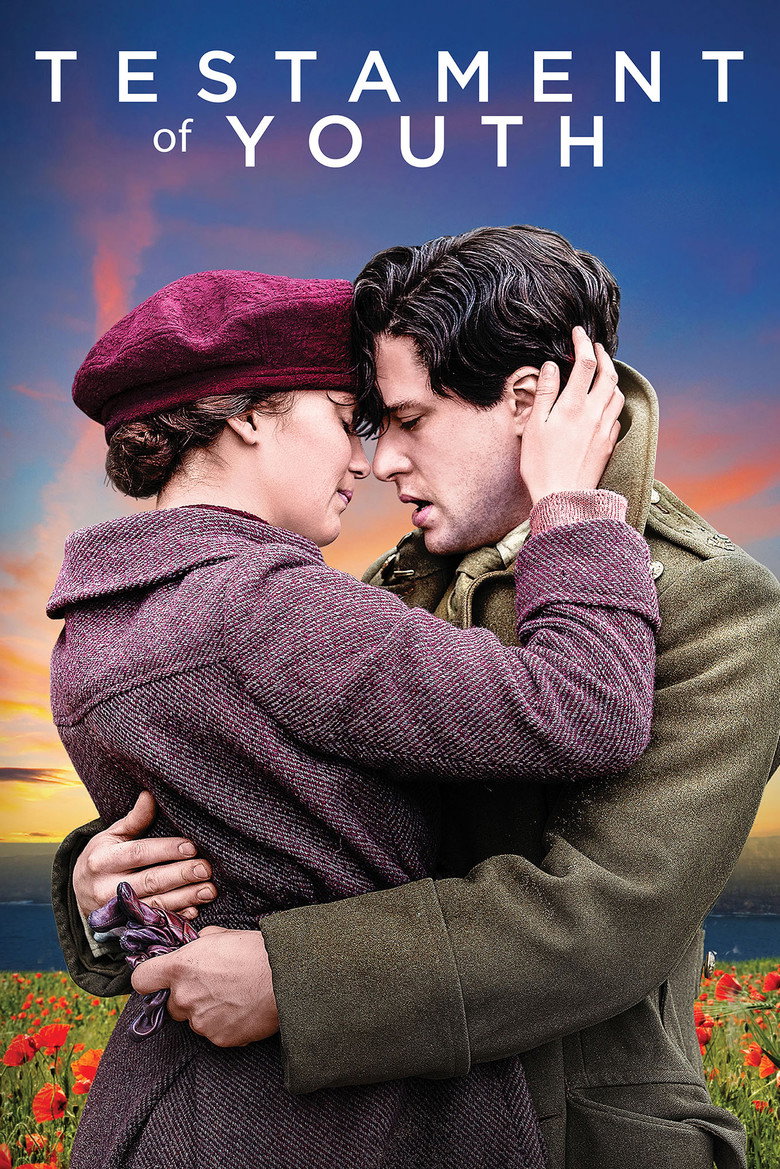
The people left behind
Historical context
Depicted period: 1914–1918
Why here
Vera Brittain gives this chapter a different centre: study, nursing, and the people war takes from a family. Her story covers most of the conflict.
Notice this
Notice how ordinary plans become harder to imagine as the war continues.
WHY NEXTWar Horse offers an optional change of perspective before the route returns to the front.
- 05
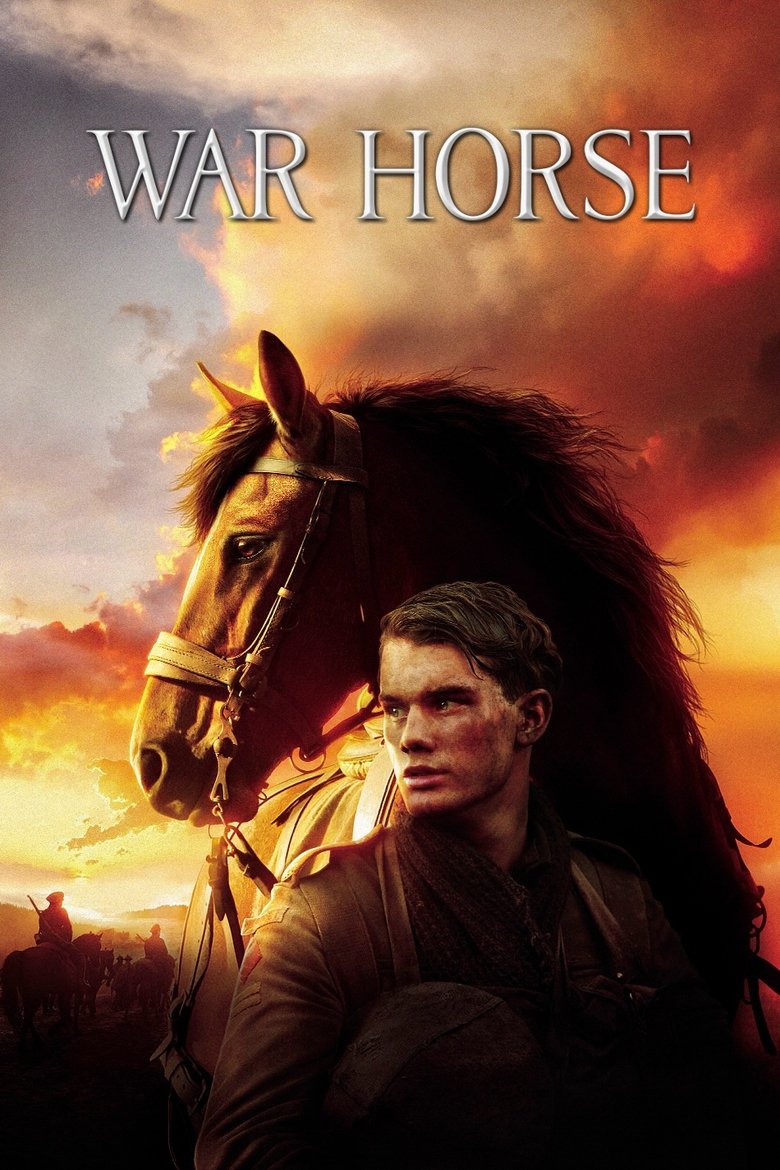
An optional change of perspective
Historical context
Depicted period: Before and during WWI
Optional stop.
Why here
This is an optional stop. Following a horse through different hands connects farms, armies, and civilians without staying with one nationality.
Notice this
Watch how the same animal is valued differently by the people who encounter it.
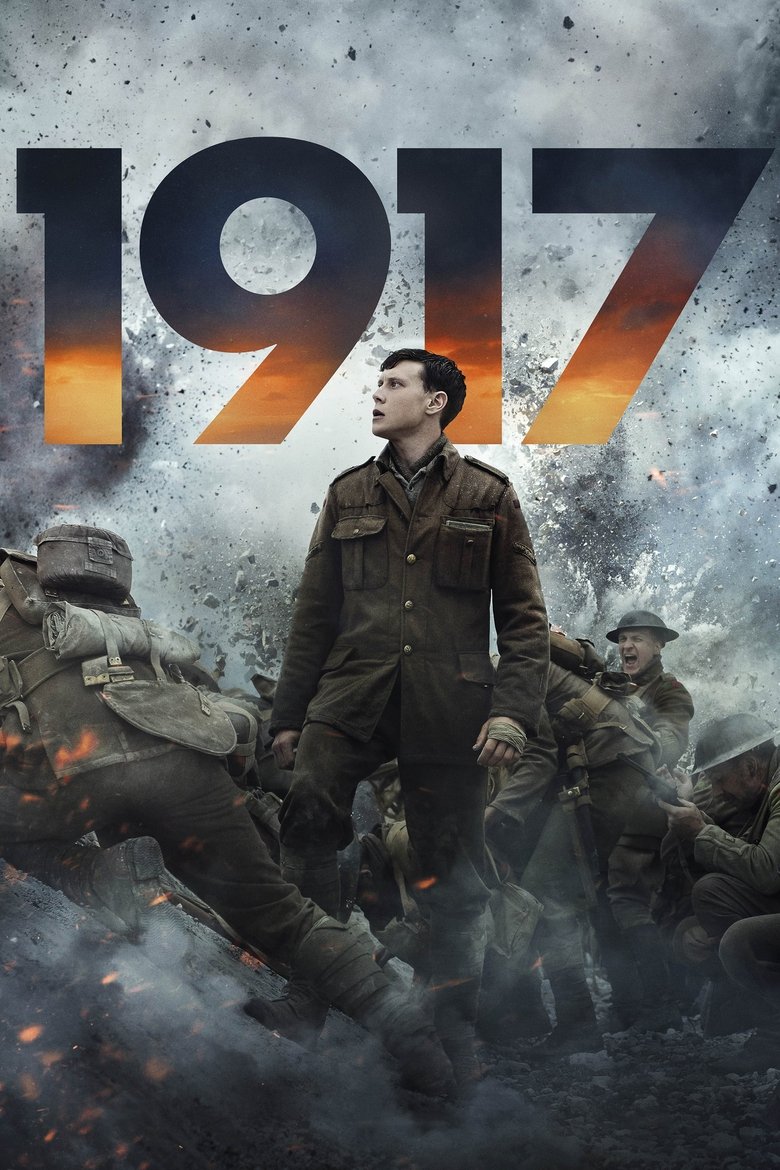
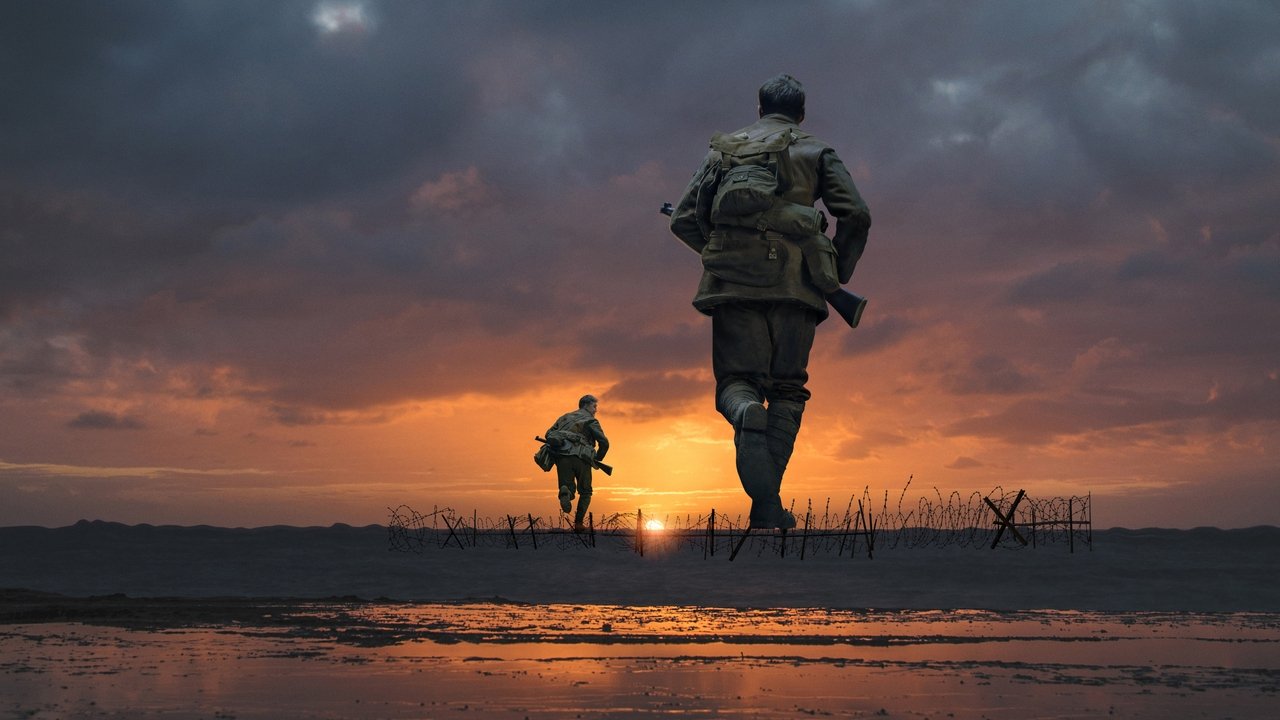
WHY NEXT1917 narrows the focus to two soldiers and a task that cannot wait.
- 06
A message across the front
Historical context
Depicted period: April 1917
Why here
After the broader stories, spend a day with two soldiers trying to deliver a message. The limited viewpoint makes distance and lost time matter.
Notice this
Pay attention to what the men can see, and how often they have to act without knowing what lies ahead.
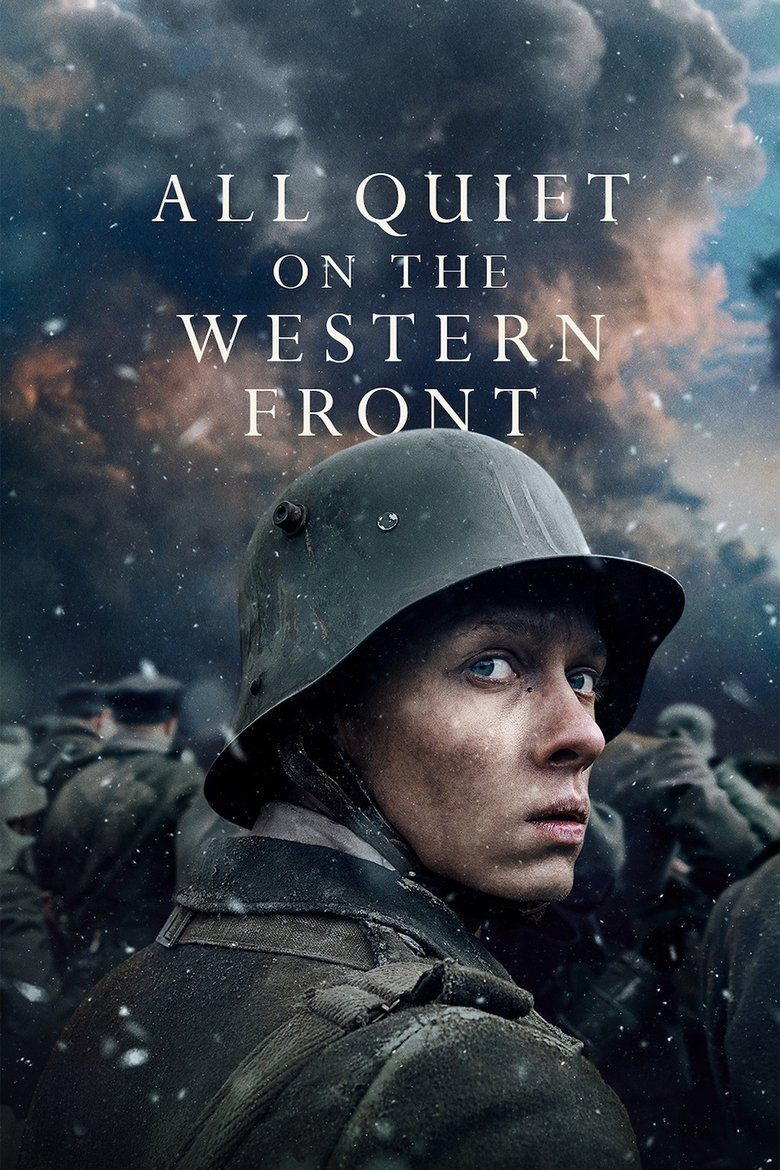
WHY NEXTAll Quiet on the Western Front crosses to the German side and follows the war toward its end.
- 07
The last stretch of the war
Historical context
Depicted period: 1917–November 1918
Why here
The German perspective belongs here, alongside the approaching armistice. Recruitment promises meet the daily work of surviving the front.
Notice this
Compare the language used far from the fighting with the conditions the soldiers actually face.
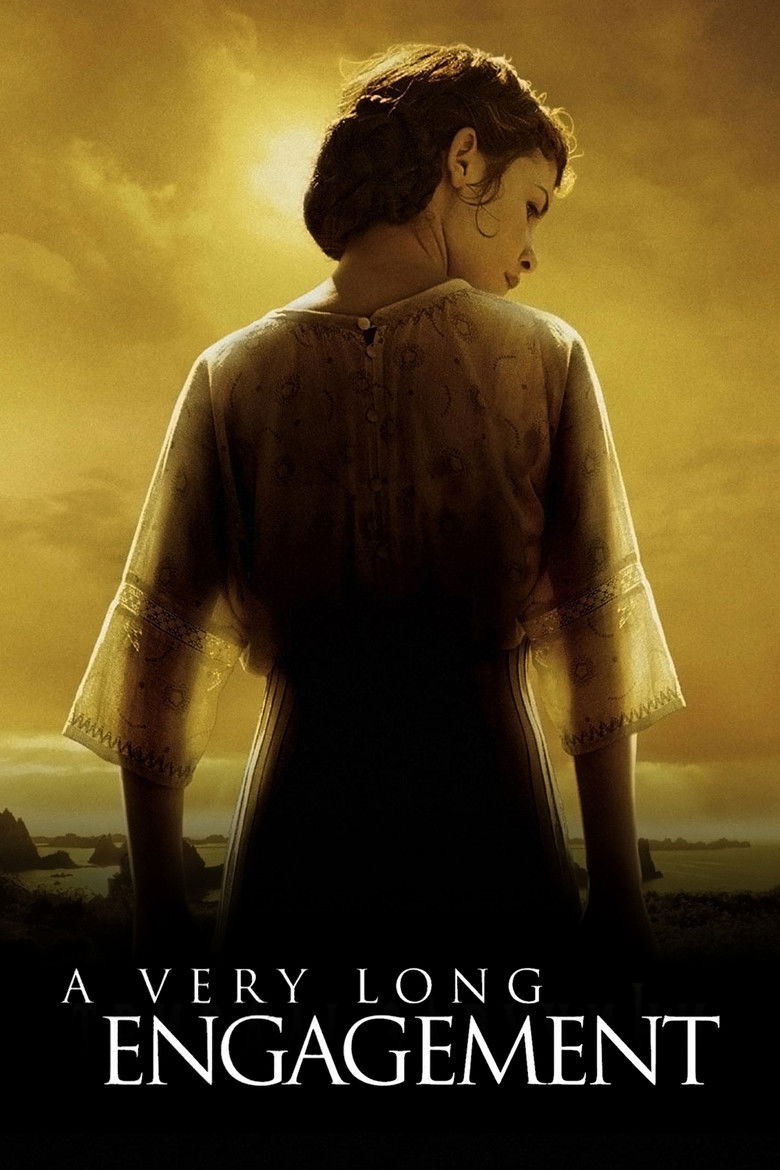
WHY NEXTA Very Long Engagement asks what happens when the fighting ends but a family still has no answer.
- 08
Looking for someone missing
Historical context
Depicted period: 1917 and the postwar years
Why here
End the WWI chapter with a search. Mathilde has to work through incomplete accounts of what happened, while the film moves between the front and the years afterward.
Notice this
Notice the small details that keep a person present when official records seem to close the matter.
WHY NEXTThe next chapter turns to the political upheaval that followed the war.
- 09
CHAPTER 2
Between the wars: The rise of Nazism
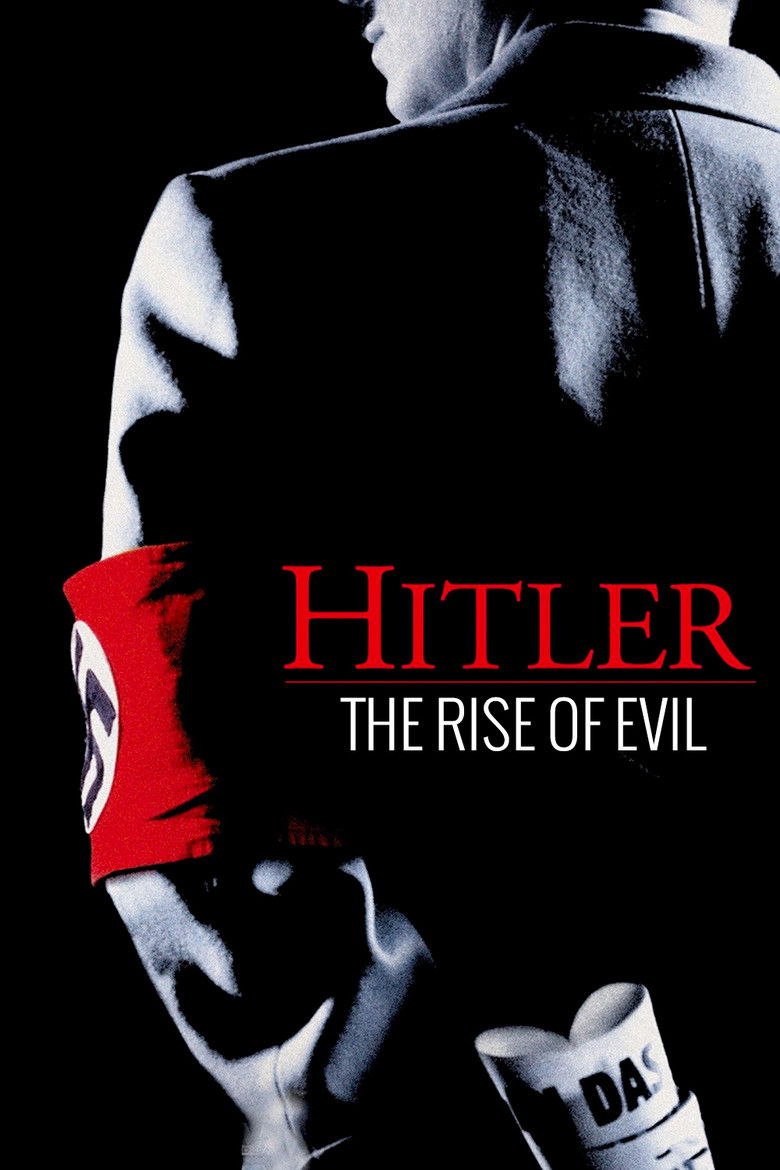
The end of WWI did not settle Europe’s political struggles. These films move from Hitler’s rise to the diplomacy and propaganda surrounding the next war.
The rise to power
Historical context
Depicted period: Primarily 1919–1934; earlier-life scenes
TV miniseries. Earlier-life scenes precede its main political story.
Why here
Place this miniseries here for its account of Hitler gaining political power after WWI. It starts earlier, so the opening revisits ground already covered.
Notice this
Watch the choices made by people who believe they can use, contain, or accommodate him.
WHY NEXTMunich moves forward to the moment when other governments try to avoid a new war.
- 10
Trying to prevent war
Historical context
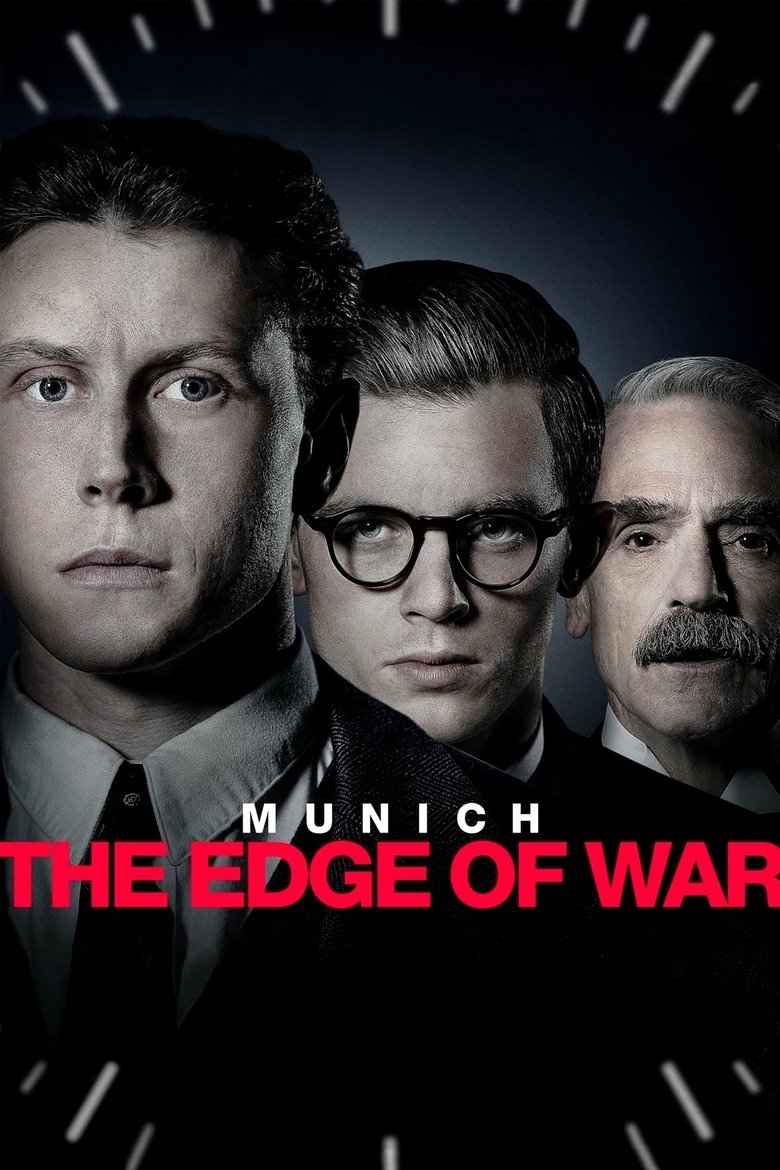
Depicted period: September 1938
Why here
The Munich Conference gives the journey a stop at the negotiating table. Personal loyalties sit alongside the attempt to settle a crisis through diplomacy.
Notice this
Notice the difference between securing an agreement and knowing whether it will hold.
WHY NEXTGoebbels and the Führer follows the regime’s presentation of itself as Europe approaches war.
- 11
Making the message
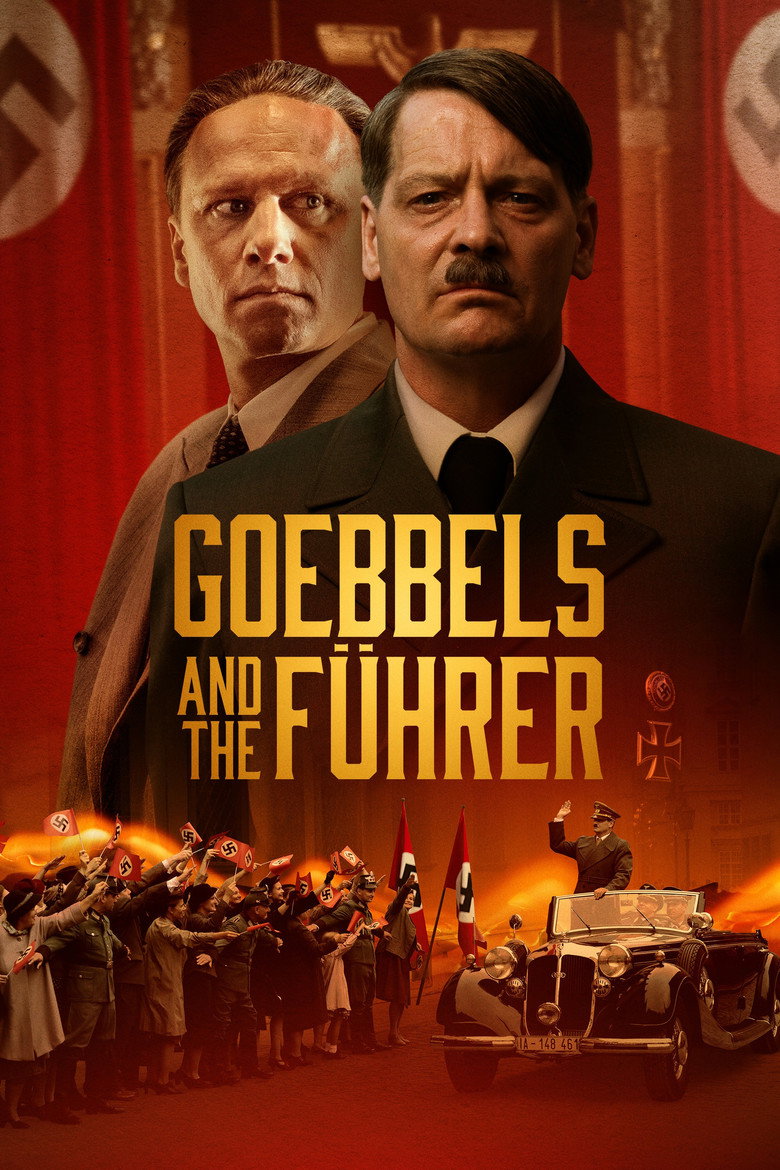
Historical context
Depicted period: 1938–1945
Why here
This film spans the next chapter rather than fitting into one year. Use it to examine propaganda, then return to the separate wartime experiences below.
Notice this
Watch how a public message is constructed, repeated, and adjusted when events become harder to explain.
WHY NEXTThe Pianist brings that political machinery into the life of someone living under occupation.
- 12
CHAPTER 3
1939–1945: The Second World War
Occupation, military decisions, and civilian survival unfold at the same time. Several films cover years, so this chapter returns to overlapping periods from different viewpoints.
Surviving occupied Warsaw
Historical context
Depicted period: 1939–1945
Why here
Szpilman’s story runs across most of WWII. Place it at the start of the occupation chapter, with the understanding that later stops revisit events within the same years.
Notice this
Notice how food, shelter, and help become immediate decisions rather than background details.
WHY NEXTDarkest Hour shifts to Britain in 1940 and the question of whether to continue fighting.
- 13
The decision to keep fighting
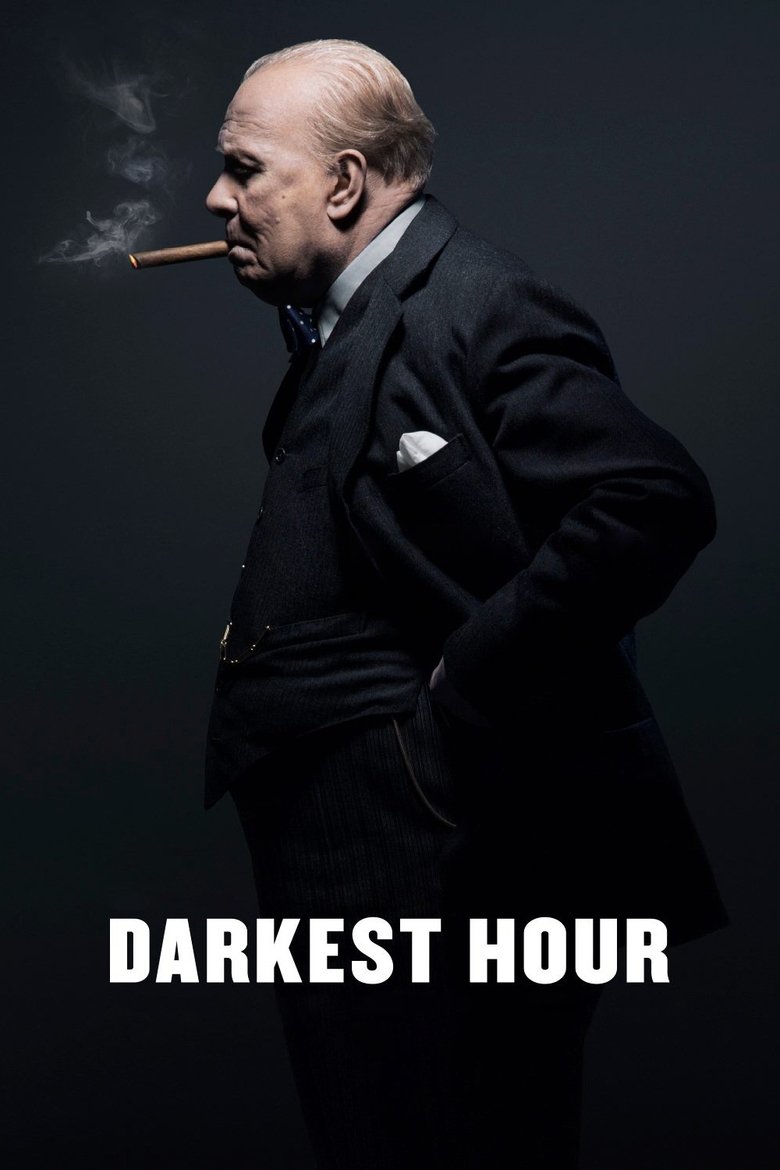
Historical context
Depicted period: May–June 1940
Why here
Watch the political debate before the evacuation at Dunkirk. The film gives the next stop its government-level context.
Notice this
Listen for how leaders weigh military prospects against the consequences of negotiation.
WHY NEXTDunkirk takes the same crisis out of the meeting room and onto the beach.
- 14
Getting off the beach
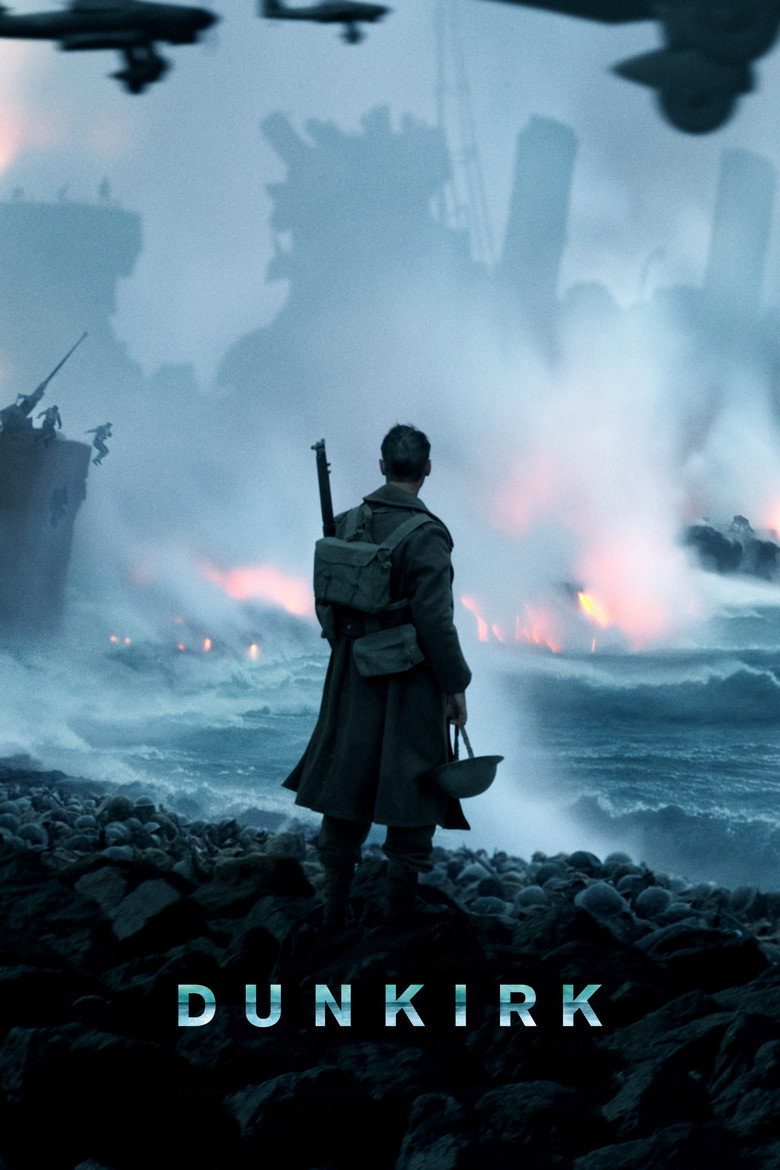
Historical context
Depicted period: May–June 1940
Why here
This follows Darkest Hour because the two films meet at the same historical crisis. Here, the immediate problem is getting people home.
Notice this
Watch the different pressures on people waiting on land, travelling by sea, and flying above them.
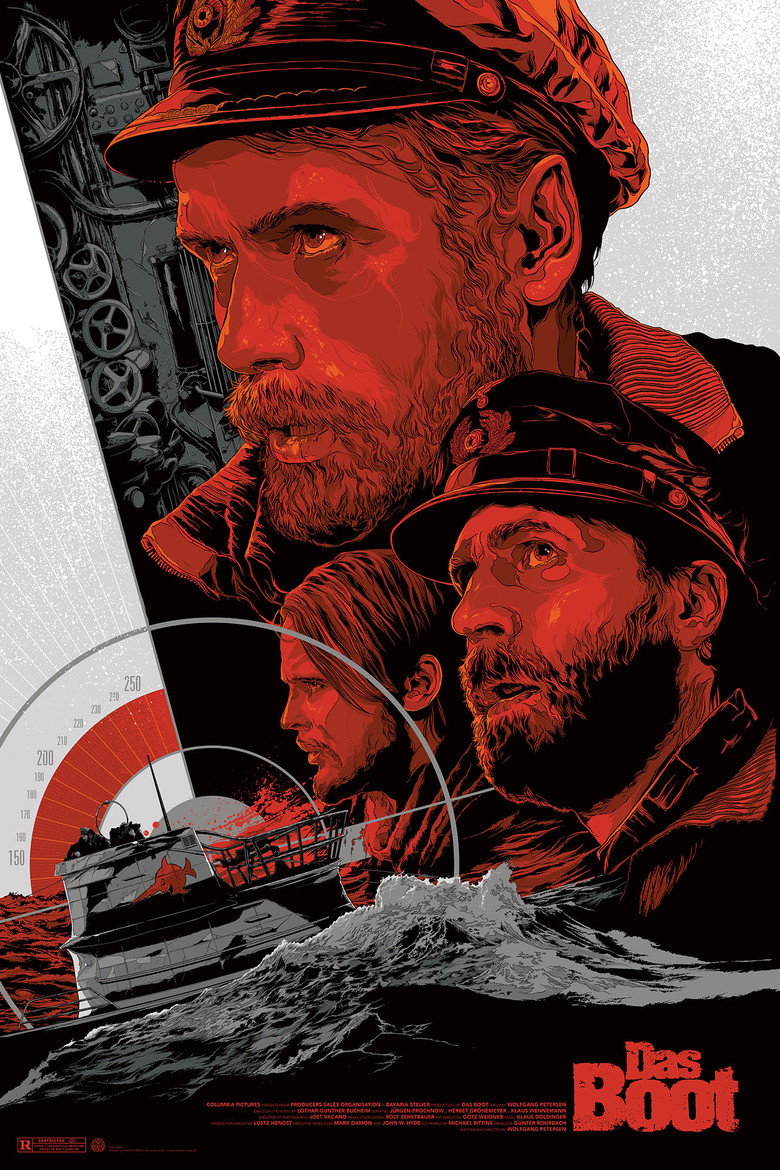
WHY NEXTDas Boot moves the route to the Atlantic and a German crew.
- 15
War beneath the surface
Historical context
Depicted period: 1941
Why here
The submarine gives the naval war a confined setting. A different uniform does not remove the crew’s dependence on machinery, orders, and chance.
Notice this
Notice how sound and waiting affect the crew as much as visible action.
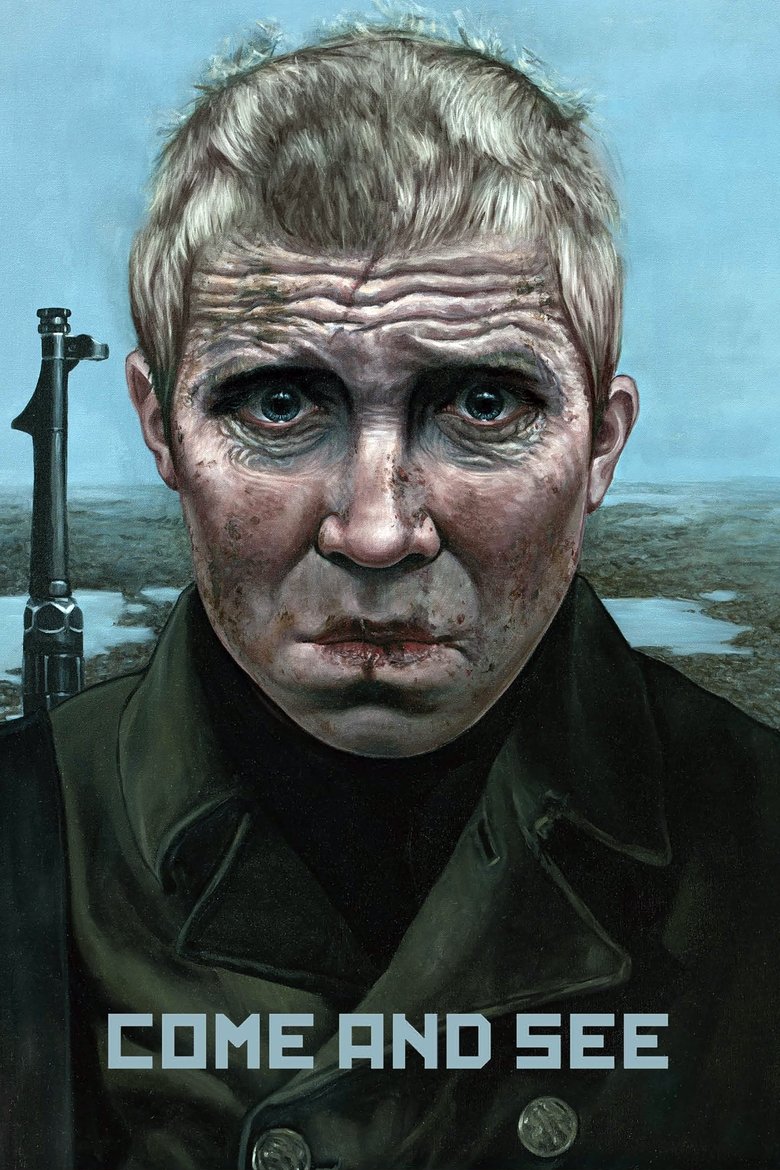
WHY NEXTCome and See leaves the military vessel for civilians under occupation.
- 16
Occupation through a child’s eyes
Historical context
Depicted period: 1943
Why here
Belarus brings civilian suffering to the centre of the route. This is a particularly difficult watch; it should not be presented as an action-film break.
Notice this
Follow the changes in what the boy understands, rather than looking for the usual battlefield milestones.
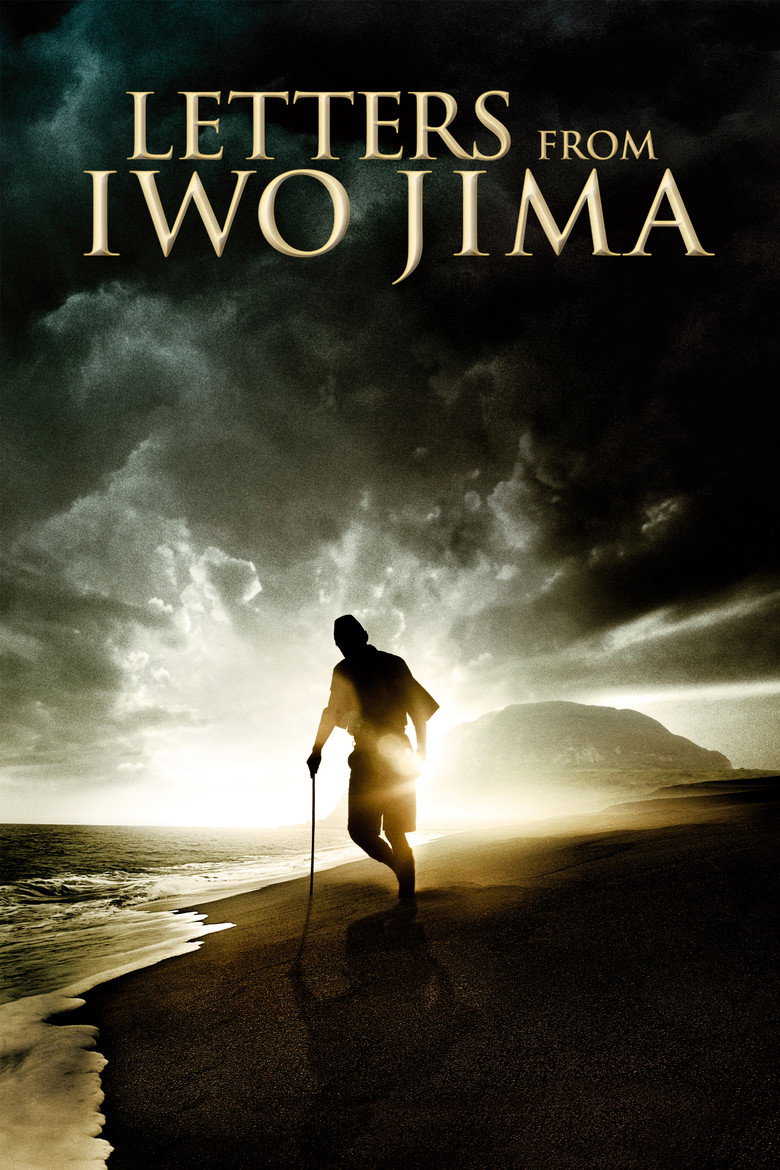
WHY NEXTLetters from Iwo Jima opens a separate front in the final year of the war.
- 17
The Pacific front
Historical context
Depicted period: February–March 1945
Why here
The Japanese perspective broadens a route that has mostly stayed in Europe. The soldiers’ letters sit beside the decisions made above them.
Notice this
Notice the gap between official expectations and the lives the men want to return to.
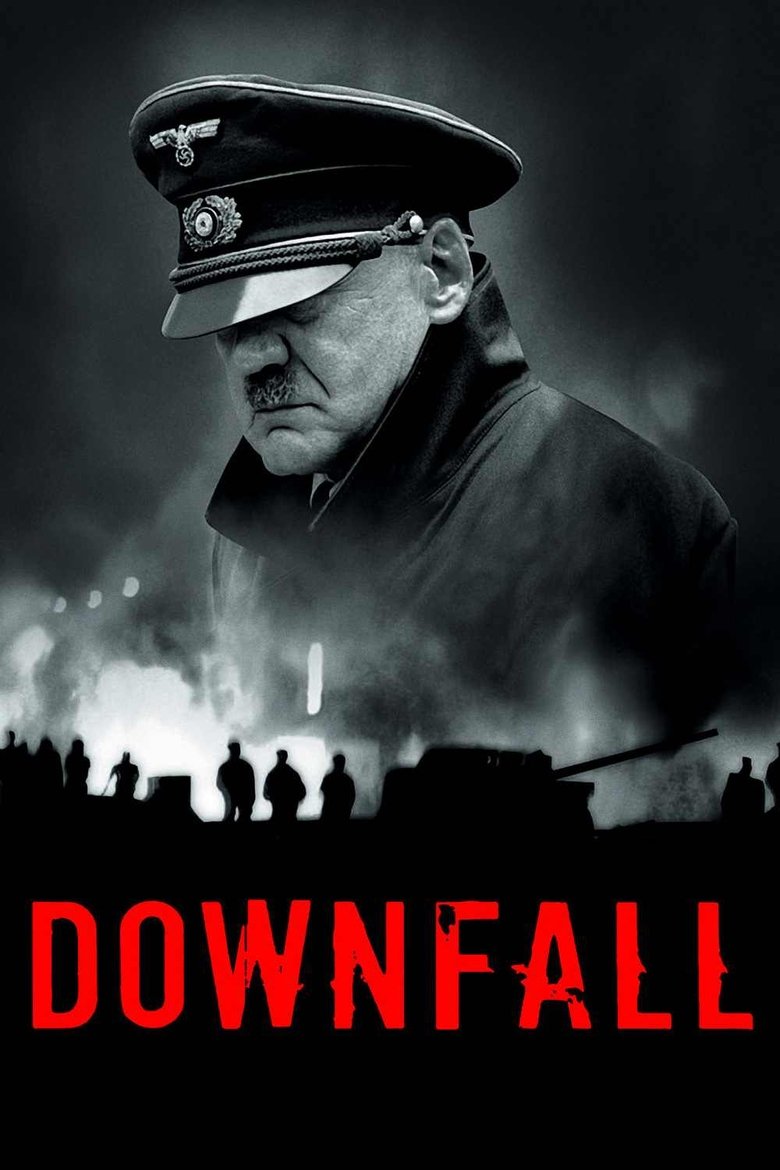
WHY NEXTDownfall returns to Europe as Nazi leadership faces its collapse.
- 18
The collapse in Berlin
Historical context
Depicted period: April–May 1945
Why here
This is the closing stop for the Nazi leadership thread begun in The Rise of Evil. The war outside continues while decisions inside the bunker become detached from it.
Notice this
Watch who can acknowledge what is happening and who continues to speak as though events can be reversed.
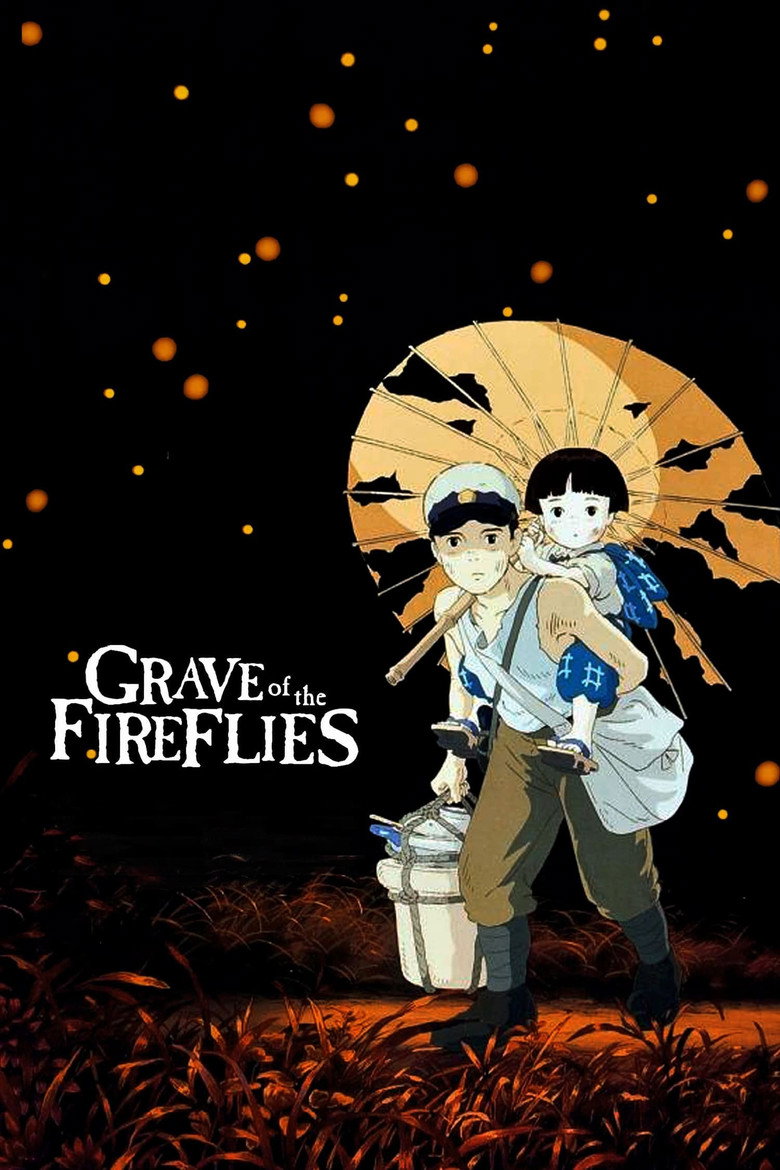
WHY NEXTGrave of the Fireflies stays in 1945 but moves to civilians in Japan.
- 19
Children in wartime Japan
Historical context
Depicted period: 1945
Why here
Finish the wartime section through two siblings. Its scale is a household and the need to eat, not a military campaign.
Notice this
Notice how pride, dependence, and small acts of care shape the children’s choices.
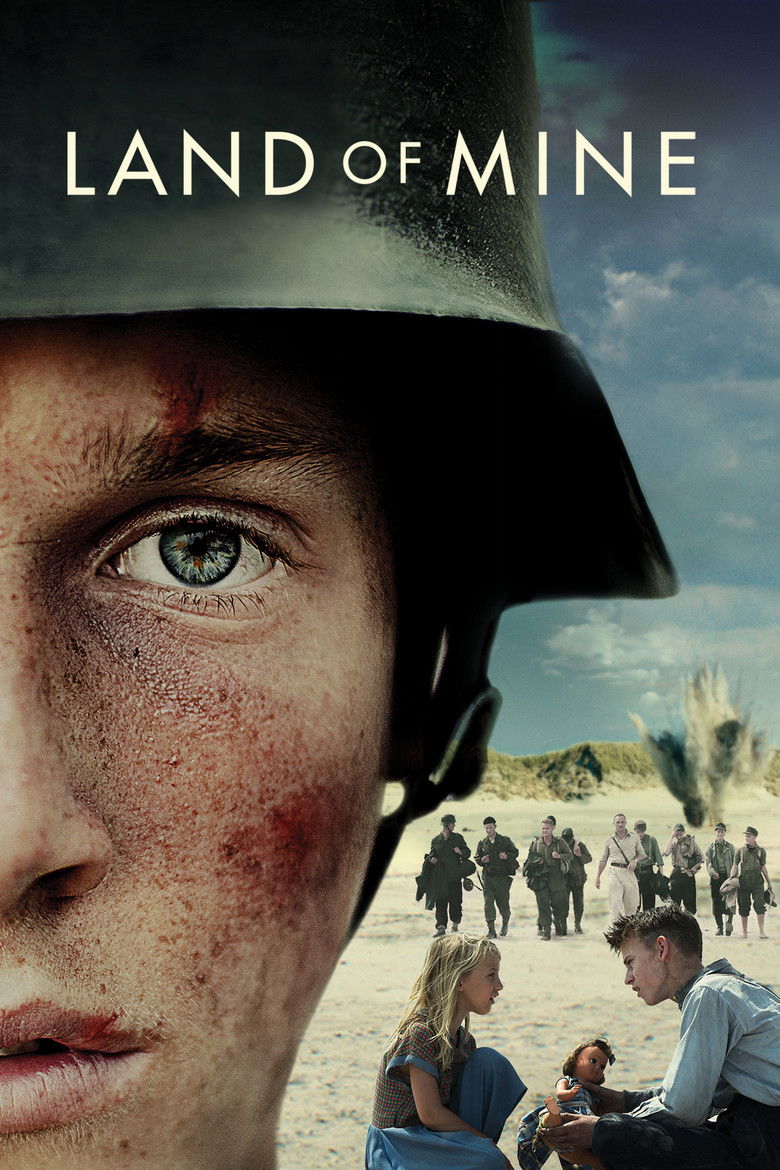
WHY NEXTLand of Mine shows why a surrender does not immediately make a place safe.
- 20
What the war leaves behind
Historical context
Depicted period: After Germany’s surrender, 1945
Why here
The Danish coast makes the aftermath physical: the fighting has stopped, but mines remain. The treatment of prisoners raises questions the victory itself does not settle.
Notice this
Watch how responsibility changes when former enemies have to work beside one another.
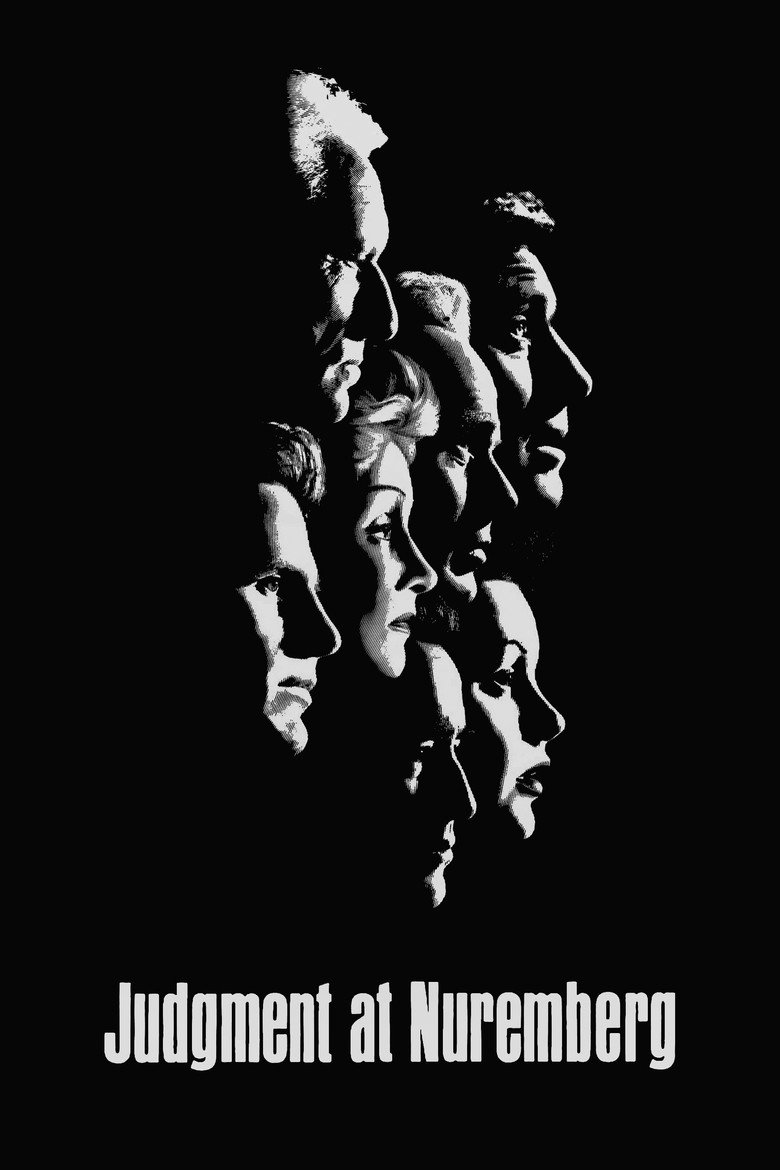
WHY NEXTJudgment at Nuremberg moves from clearing the land to assigning responsibility for crimes.
- 21
CHAPTER 4
After 1945: A divided world
The next stops cover accountability, Korea, colonial independence, and nuclear confrontation. These conflicts have different causes; the dates provide a route, not a single chain of blame.
Responsibility after the war
Historical context
Depicted period: 1948
Why here
The courtroom belongs between WWII and the later conflicts. It asks how people should be judged for their part in a system of persecution.
Notice this
Listen for the difference between explaining a decision and excusing it.
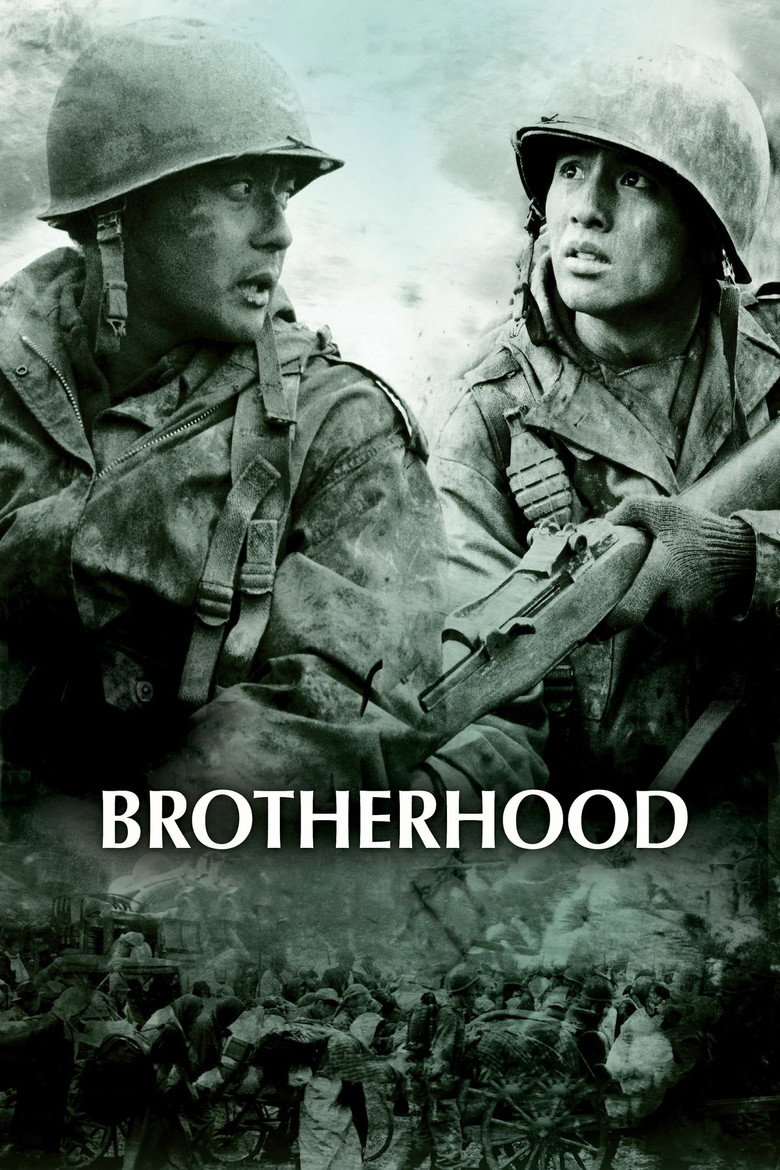
WHY NEXTTae Guk Gi takes the route to Korea, where the postwar division becomes a war.
- 22
A divided Korea
Historical context
Depicted period: 1950–1953
Why here
Two brothers provide a way into the Korean War. Their relationship keeps the changing front from becoming only a map of military advances.
Notice this
Notice how survival and loyalty pull the brothers in different directions.
WHY NEXTThe Battle of Algiers turns to another struggle over who governs a country.
- 23
The struggle for independence
Historical context
Depicted period: 1954–1962
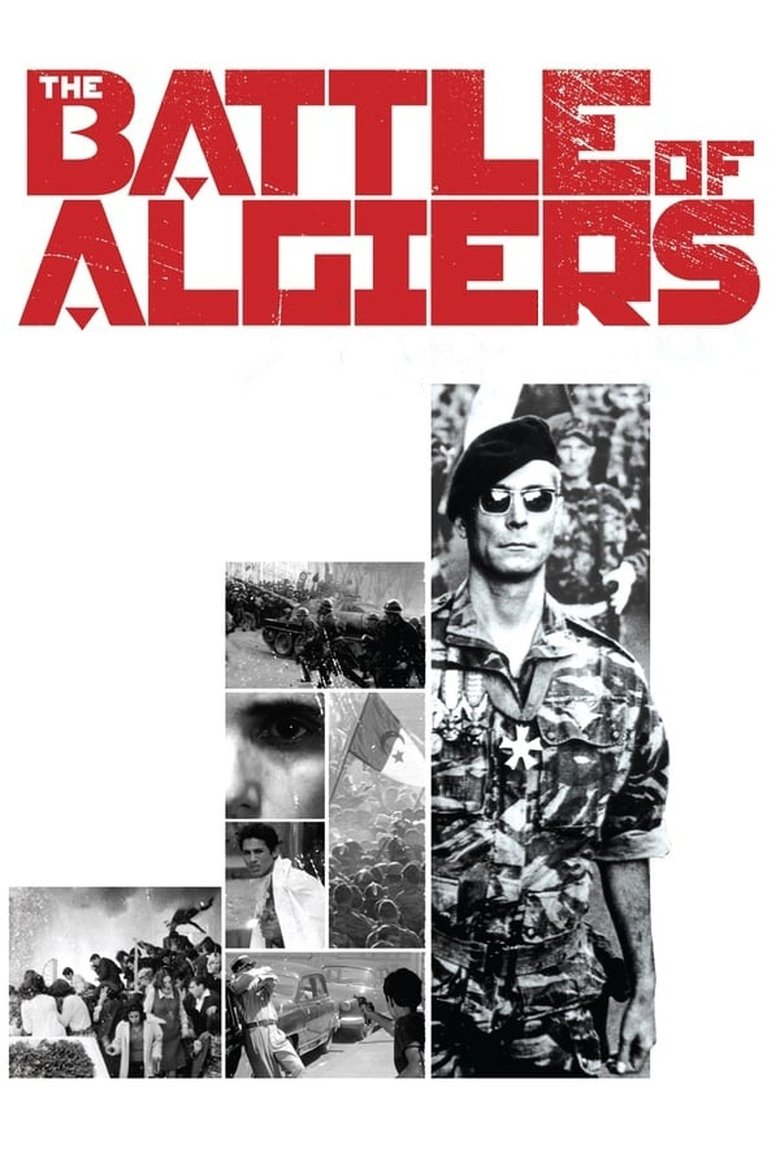
Why here
Algeria adds colonial rule and independence to the route. The film follows urban resistance and the French response, with civilians caught in both.
Notice this
Watch how control of streets, information, and daily routines becomes part of the conflict.
WHY NEXTThirteen Days moves from an independence struggle to a confrontation between nuclear powers.
- 24
The war that was avoided
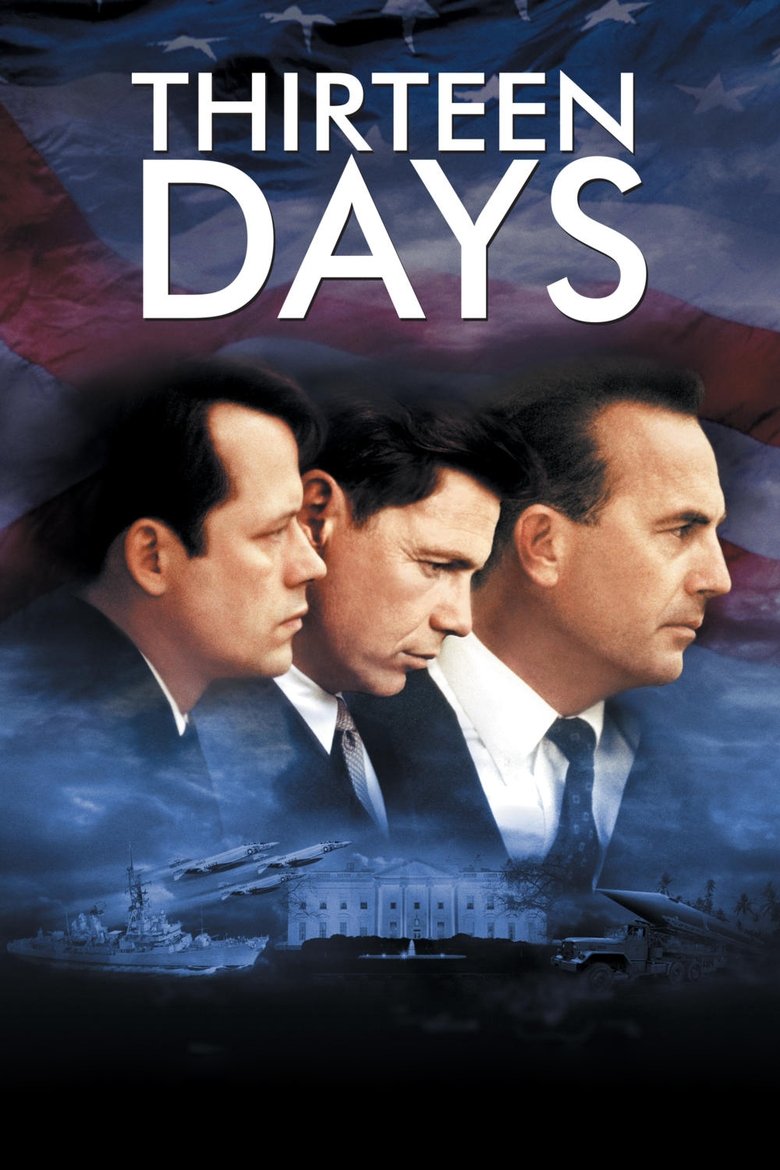
Historical context
Depicted period: October 1962
Why here
This stop matters because it is about preventing escalation. The Cuban Missile Crisis brings uncertainty and communication into a decision that could reach far beyond Cuba.
Notice this
Notice how each side tries to interpret the other’s actions without having a complete picture.
WHY NEXTPlatoon returns to a war that was fought, through a soldier’s limited experience in Vietnam.
- 25
CHAPTER 5
1967–1991: Wars and revolutions
Move through Vietnam, Cambodia, Iran, Afghanistan, and East Germany. Each stop asks what political struggle looks like to the people living within it.
Inside a platoon in Vietnam
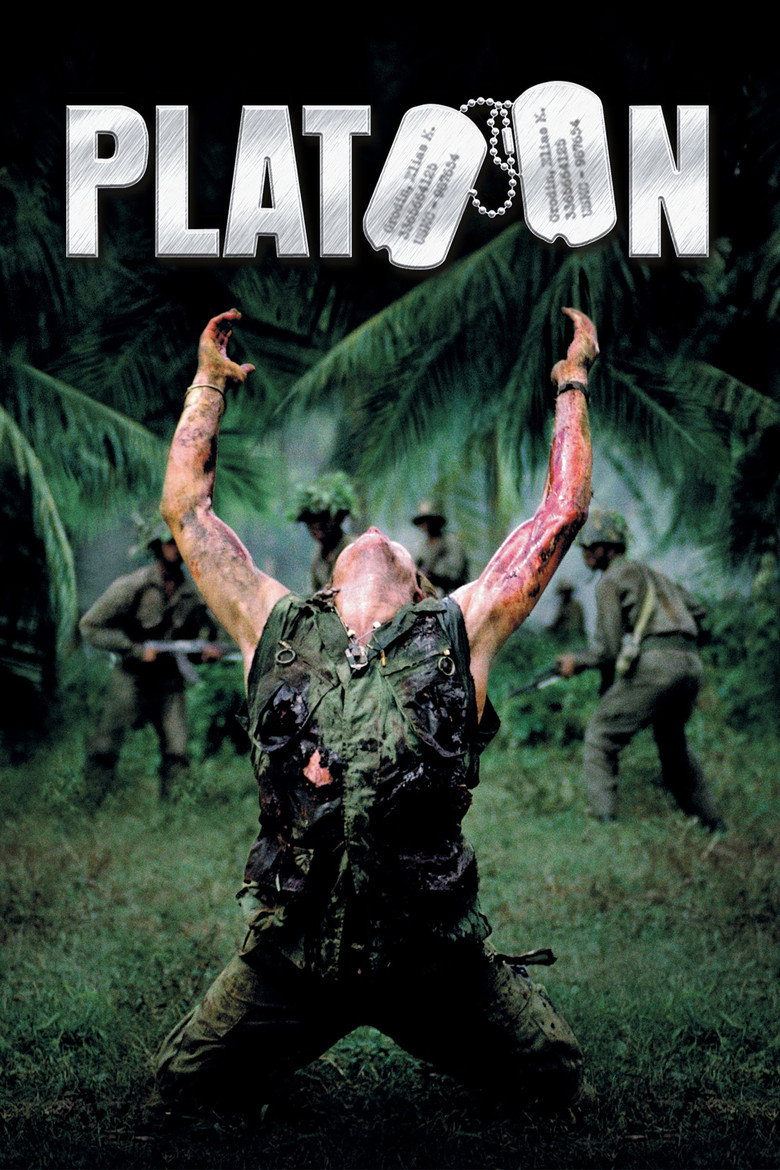
Historical context
Depicted period: 1967–1968
Why here
The unit’s internal divisions are as important as its encounters with the enemy. It gives the Vietnam section a personal and morally unsettled viewpoint.
Notice this
Compare what different soldiers mean when they talk about doing their job.
WHY NEXTThe Killing Fields moves to Cambodia and the lives caught in its civil war and takeover.
- 26
Cambodia and the Khmer Rouge
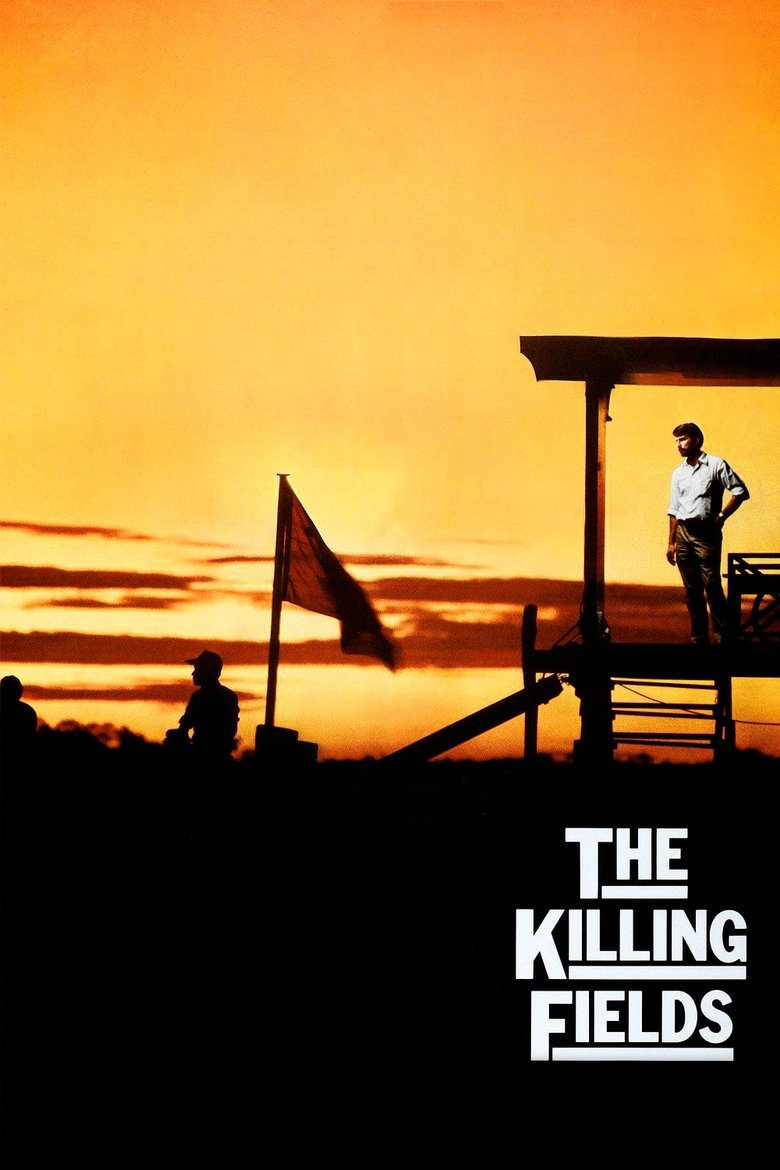
Historical context
Depicted period: 1973–1979
Why here
Follow a journalist and his Cambodian colleague through a relationship shaped by unequal chances of escape. This is a distinct conflict, not a simple continuation of the previous film.
Notice this
Notice whose access and nationality allow them to leave, and who has to stay.
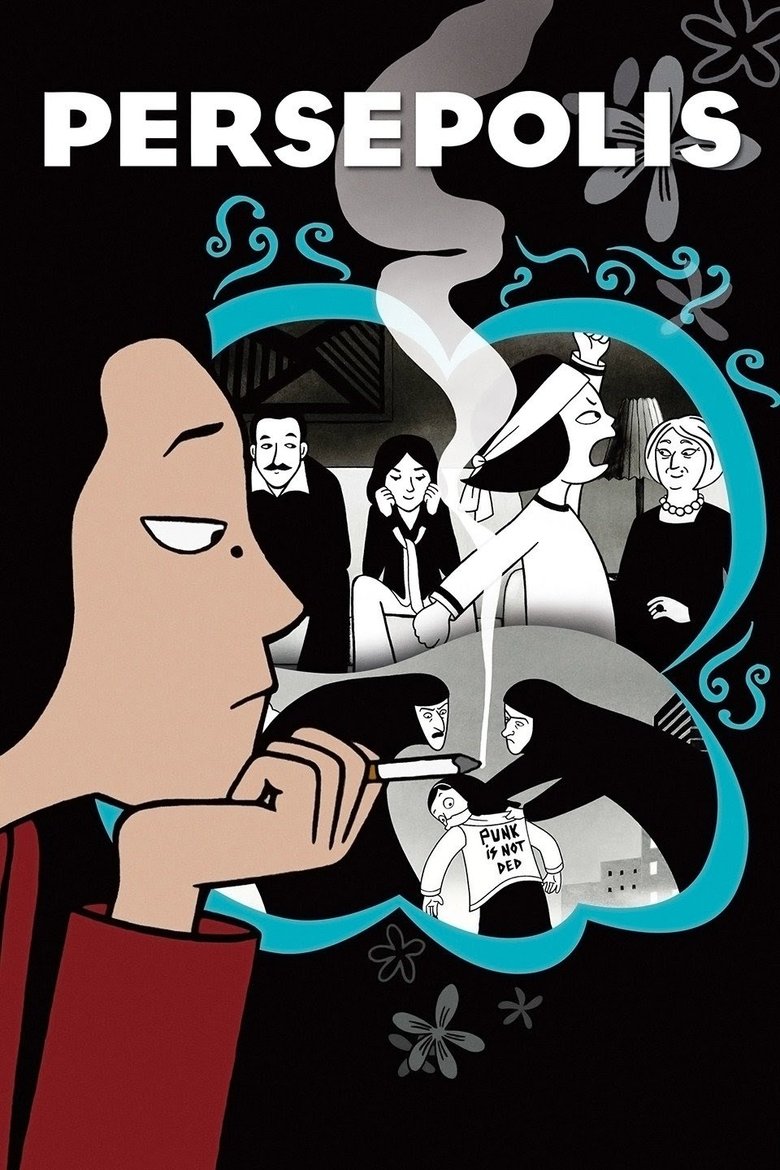
WHY NEXTPersepolis turns to Iran, where a revolution changes everyday life.
- 27
Growing up through a revolution
Historical context
Depicted period: 1970s–1990s, including the 1979 revolution
Why here
Marjane’s life connects political change to family conversations, school, clothing, and exile. The Iran–Iraq War forms part of that experience.
Notice this
Look at how private life changes when a government tries to define acceptable public behaviour.
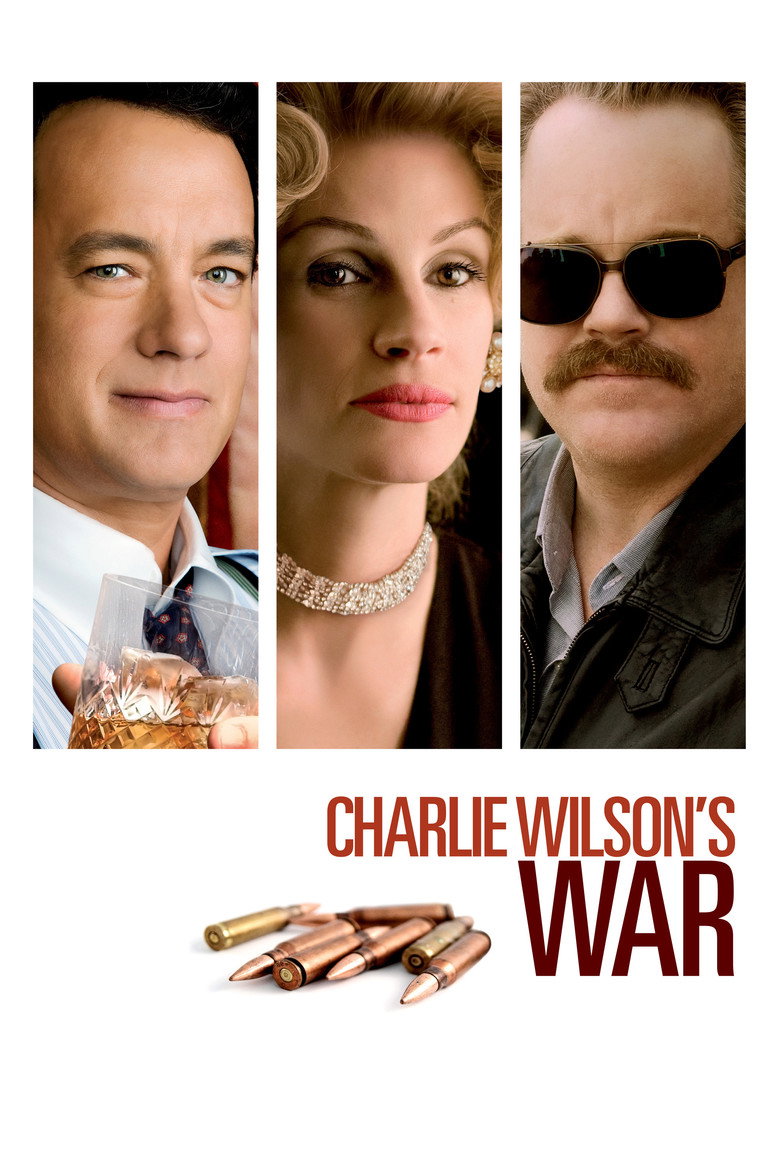
WHY NEXTCharlie Wilson’s War moves to the foreign-policy decisions around Afghanistan in the 1980s.
- 28
Supporting a war from abroad
Historical context
Depicted period: 1980s
Why here
This political comedy looks at American support for Afghan fighters during the Soviet–Afghan War. Its lighter tone still belongs to a chapter about decisions with lasting costs.
Notice this
Watch what receives attention and money, and what is left outside the immediate objective.
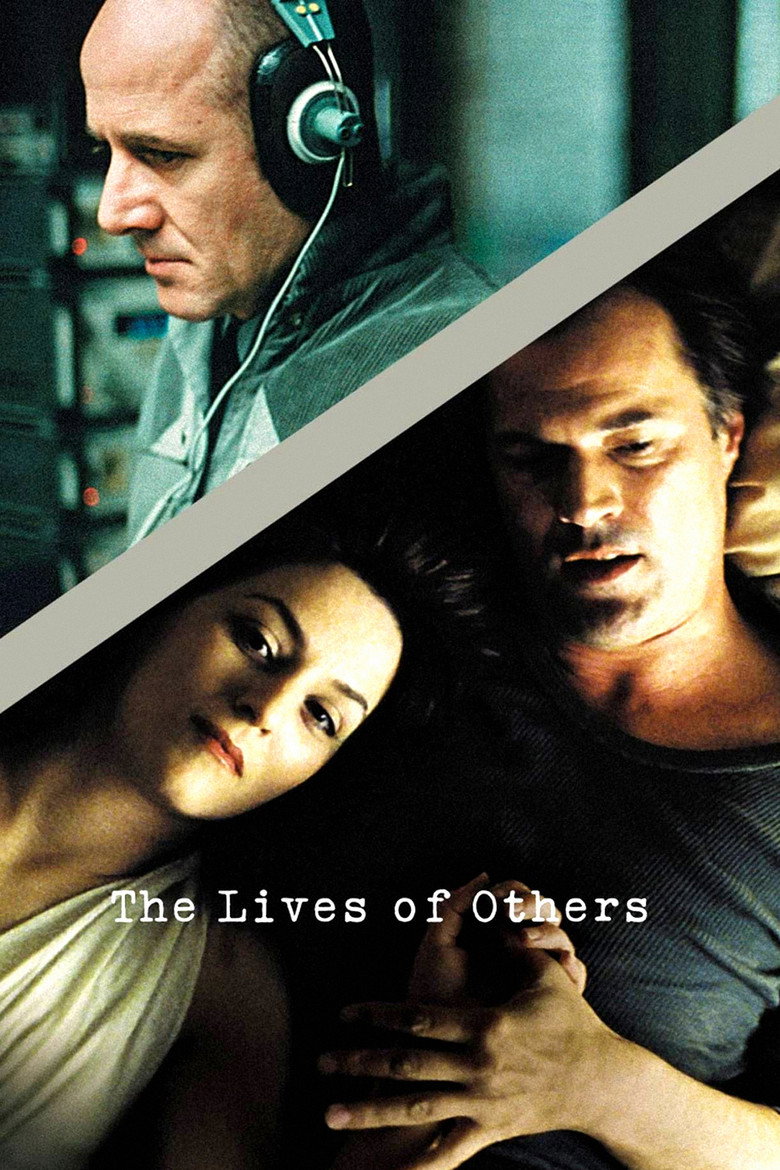
WHY NEXTThe Lives of Others returns to Europe during the final years of the Cold War.
- 29
Listening in East Germany
Historical context
Depicted period: 1984–1991
Why here
Surveillance makes political power visible inside an apartment and an ordinary relationship. The later scenes carry the story through the change of regime.
Notice this
Notice how observation affects the observer as well as the people being watched.
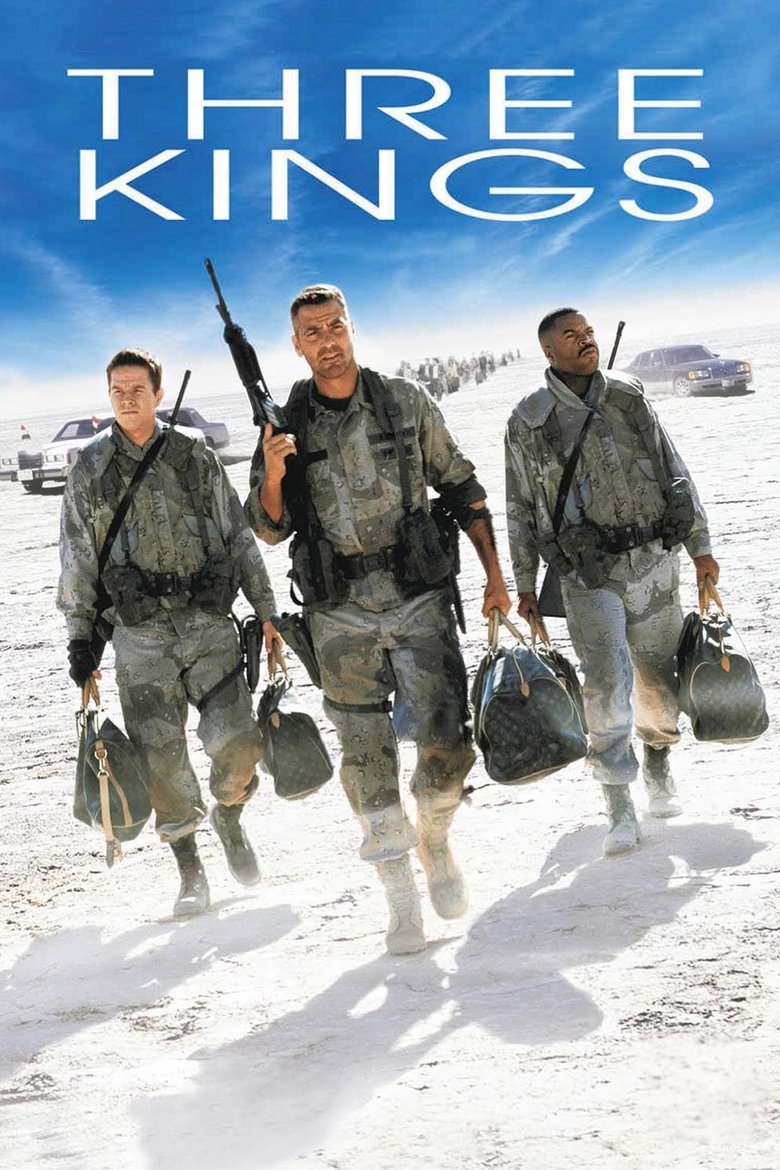
WHY NEXTThree Kings moves into the early 1990s and the aftermath of the Gulf War.
- 30
CHAPTER 6
1991–2022: After the Cold War
The Soviet Union dissolved in 1991, but conflicts continued over territory, government, and intervention. This chapter moves through Iraq and Bosnia before September 11. The United States invaded Afghanistan in 2001 and Iraq in 2003; The Hurt Locker then takes the route into Baghdad in 2004. Syria and Ukraine close this edition.
After the Gulf War
Historical context
Depicted period: March 1991
Why here
Begin the post-Cold War chapter after the ceasefire. A soldiers’ adventure runs into the circumstances of Iraqi civilians and the limits of the intervention.
Notice this
Watch how the men’s initial objective changes when other people’s needs become impossible to ignore.
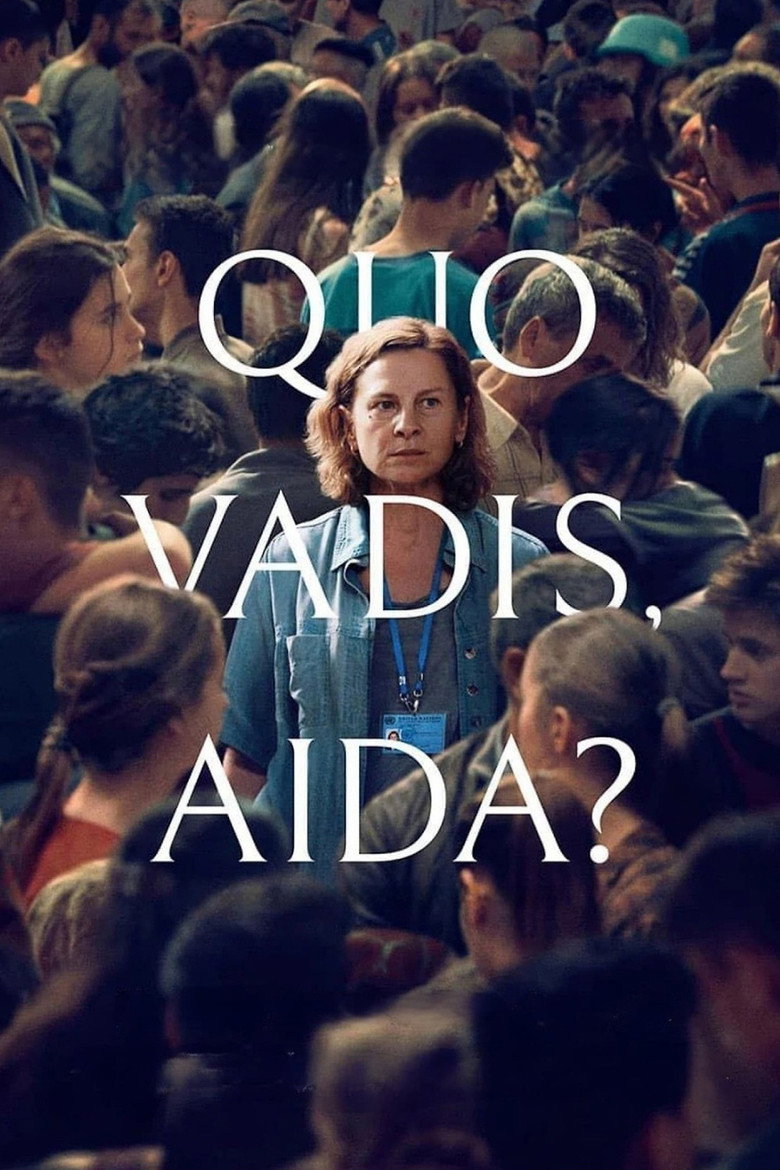
WHY NEXTQuo Vadis, Aida? moves to Bosnia and the promises made to civilians seeking protection.
- 31
Seeking protection in Srebrenica
Historical context
Depicted period: July 1995
Why here
A UN interpreter provides the viewpoint for this account of Srebrenica. Language and access matter, but neither guarantees that her family will be safe.
Notice this
Notice who can give an assurance, who can act on it, and who has no choice but to trust it.
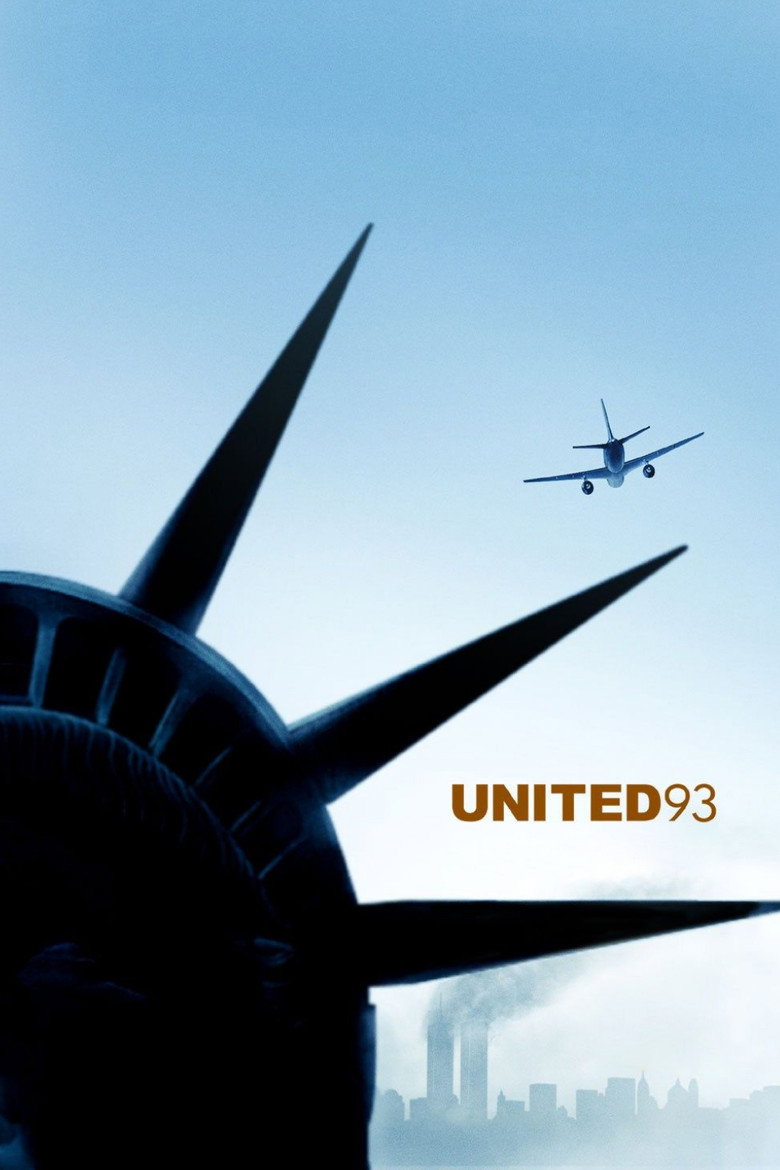
WHY NEXTUnited 93 moves to the attacks of September 11, before the route enters the following wars.
- 32
A day that changes the route
Historical context
Depicted period: September 11, 2001
Why here
Stay with the attacks themselves before moving to the military responses. The film reconstructs the experiences of passengers, crew, and air-traffic staff.
Notice this
Watch how people respond when information arrives in fragments and normal procedures no longer fit.
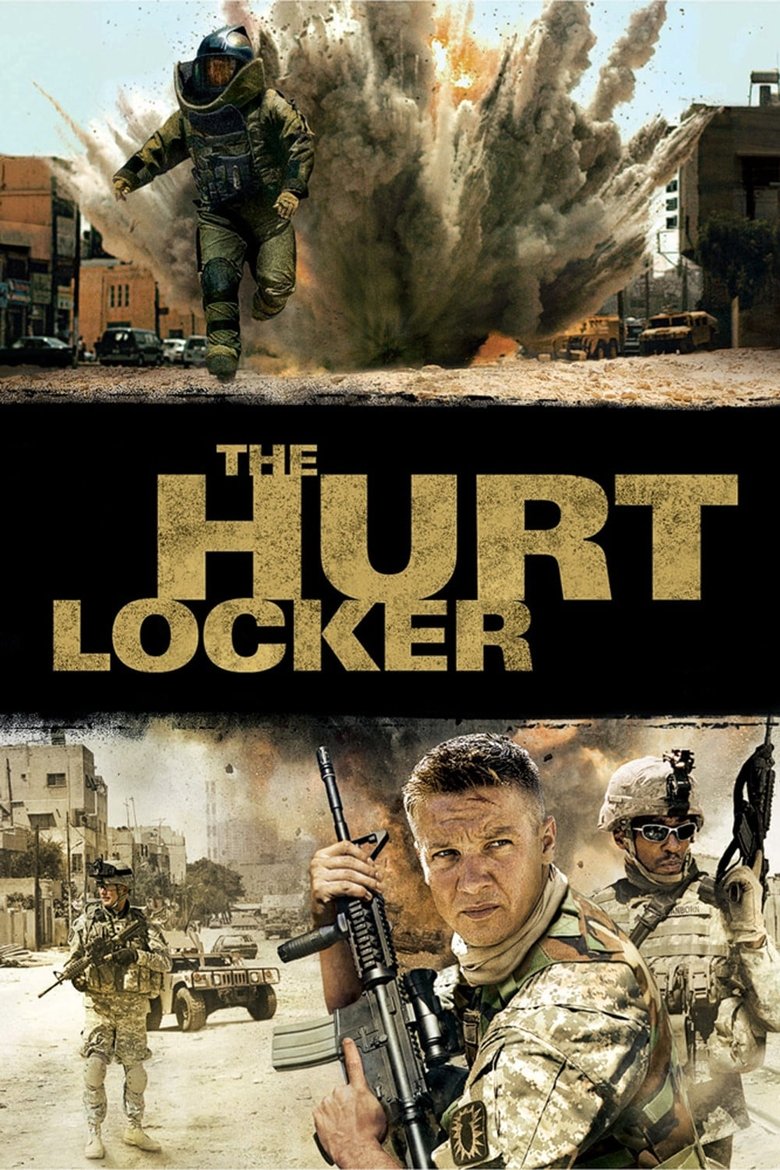
WHY NEXTAfter September 11, the route moves past the 2003 invasion of Iraq to a bomb-disposal team working in Baghdad in 2004.
- 33
The daily work of the Iraq War
Historical context
Depicted period: 2004
Why here
A bomb-disposal team brings the route down to repeated tasks under pressure. It depicts an experience within the war, rather than explaining the whole invasion.
Notice this
Notice what the work demands from relationships inside the unit and from life away from it.
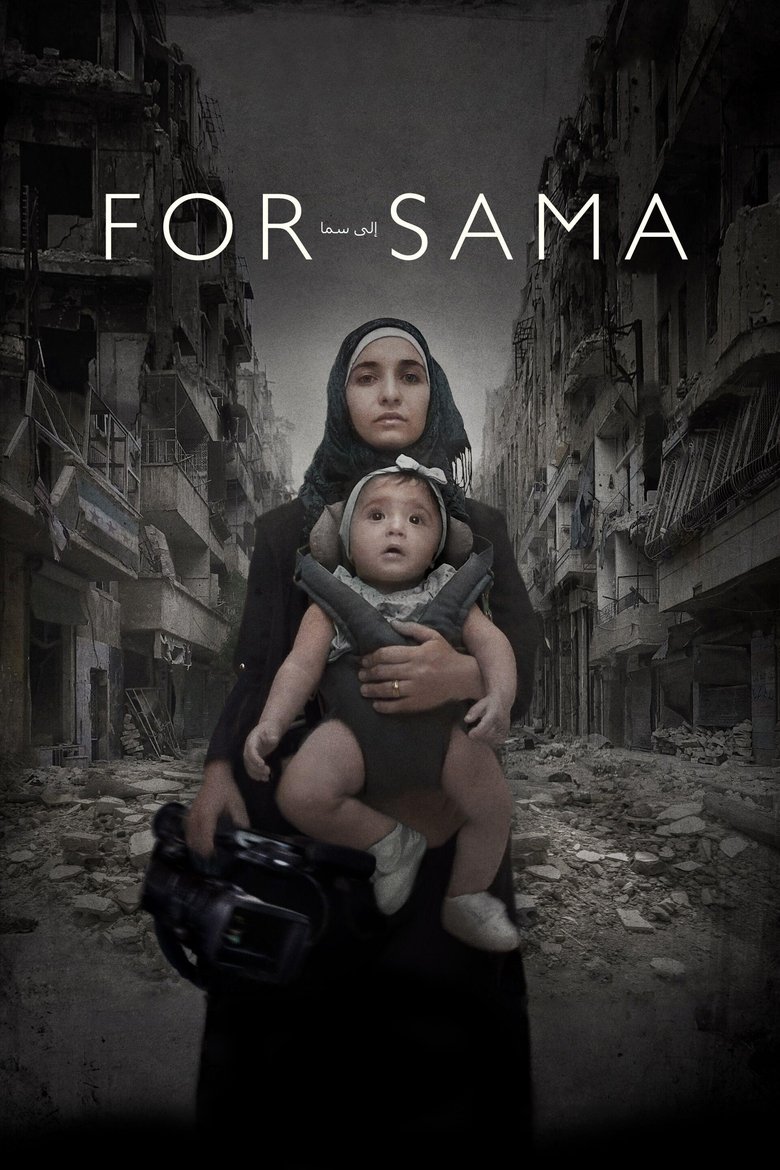
WHY NEXTFor Sama shifts from soldiers’ work to a family living through Syria’s war.
- 34
A family in Aleppo
Historical context
Depicted period: 2011–2016
Documentary.
Why here
Waad al-Kateab’s documentary combines political events with marriage, work, and motherhood. The camera stays with the choices a family faces as their city changes.
Notice this
Pay attention to the reasons people give for staying, and what eventually makes leaving unavoidable.
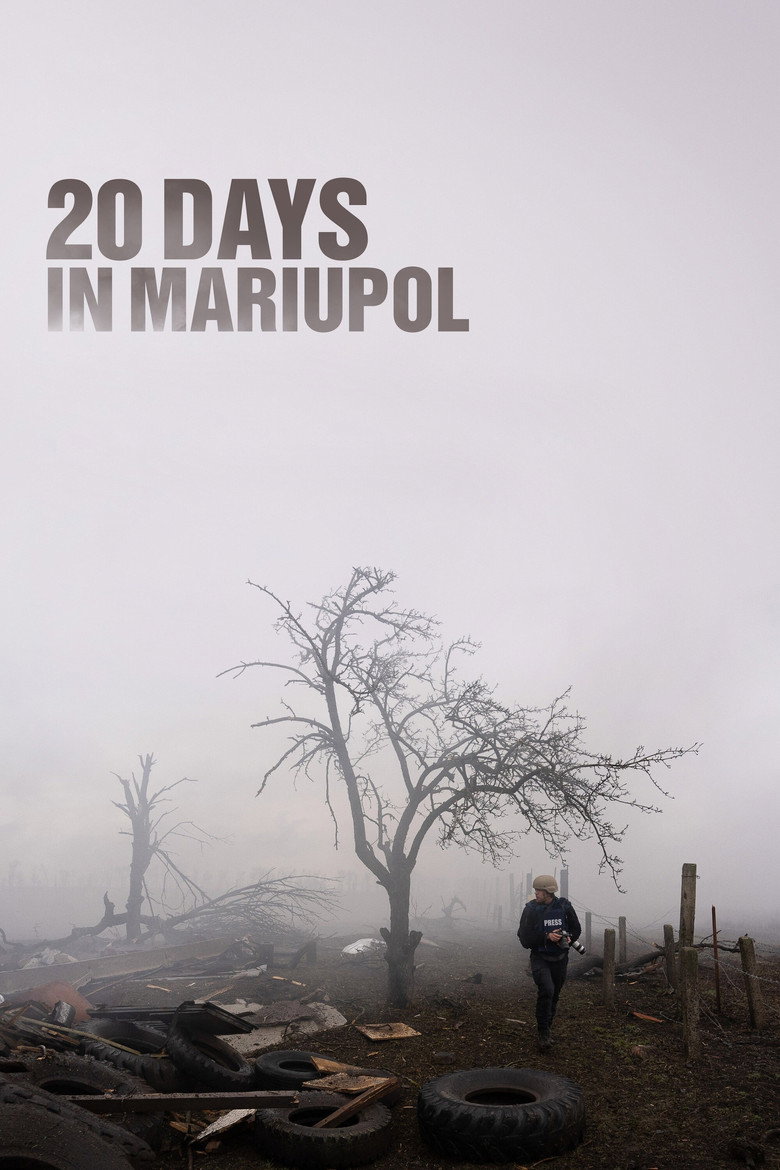
WHY NEXT20 Days in Mariupol follows another group of civilians and journalists inside a besieged city.
- 35
Documenting Mariupol
Historical context
Depicted period: February–March 2022
Documentary.
Why here
The final stop in this edition is a documentary from the opening weeks of Russia’s full-scale invasion of Ukraine. Its place here is a dated endpoint, not a claim that conflict ends in 2022.
Notice this
Notice the practical work of recording events and getting evidence out of a city under attack.